Published on:

“No man is above the law and no man is below it; nor do we ask any man’s permission when we ask him to obey it.” Theodore Roosevelt

As a personal injury attorney who represents people who have suffered catastrophic injuries or death of themselves or a family member, I am constantly asked many, common questions at the onset of representation.  Some of these come in the form of apprehension on the part of hurting or grieving people to enter the legal process of filing a personal injury or wrongful death claim.  Oftentimes, I hear that people’s personal moral or religious beliefs conflict with suing people or filing claims.  While I do not wish to invalidate such beliefs, I think that much of this thinking is based upon a misunderstanding of the fundamental purpose of our civil justice system in America and the principles upon which it is based.

Legal Origin of Tort Law in the United States Including CA

Published on:

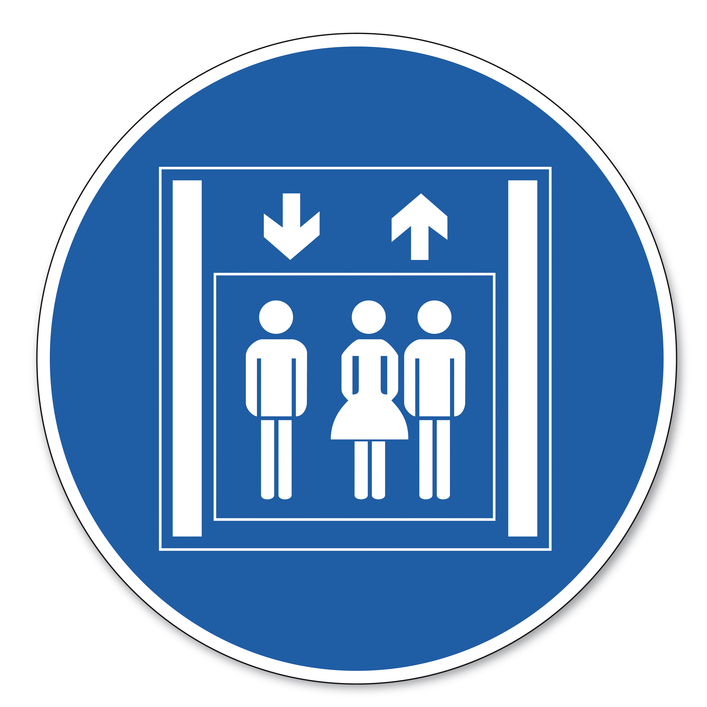
Elevator Accident Attorney CaliforniaI recently read an article in the “Fair Warning” blog regarding the startling number of fatalities related to elevator accidents in the U.S.  (See Story Here).  The blog chronicled a tragic story of a three year old boy who was crushed when he opened the “swing door” and was trapped by the elevator car coming down upon him from the second floor of his family home.  The incident resulted in permanent brain damage, spinal damage from being pinned inside the elevator compartment for almost 10 minutes before his family could pry him loose.  The boy is now left a quadriplegic who is unable to speak or move and will remain so for the rest of his life.

How Frequent Are Elevator Accidents Resulting in Serious Injury and Death in California and Elsewhere in the U.S.?

According to the statistics quoted in the Fair Warning article, as verified by Associated Press news accounts of such incidents, there have been at least nine accounts of fatalities involving children related to swing door elevators installed in commercial and residential structures in the U.S. within the last 7 or 8 years and there have been 34 reported incidents of children maimed or killed in these apparatus since 1995 in Southern New York and New Jersey alone (based upon Otis elevator statistics produced in discovery in an incident in that area in 2001).  Other consumer advocacy groups have estimated that approximately 27 people every year are killed while riding on an elevator due to some type of malfunction or mishap. (See Los Angeles Times Blog – citing Consumerwatch.com).  While statistics are hard to come by, the information available seems to indicate that elevator mishaps are more than just a trivial problem and result in maiming and death to many individuals every year in California and throughout the U.S.  Large urban areas like Los Angeles and San Francisco have higher number of incidents simply due to having more multi-story buildings with lifts carrying passengers than other, more rural areas of the country.  However, these incidents are not limited to skyscrapers.  In fact, the Consumer Product Safety Commission recently issued a statement indicating that they are conducting an active study into the increase in home elevator incidents, many of which involve children. (See CPSC Statement Here).  This high number of child home elevator incidents seems to stem from the fact that you have a gap between the outer “swing” door and the inner door with no infrared sensor like most elevators have in commercial structures.

Published on:

paul walker death, california speeding laws, california auto accidents, los angeles car wrecks

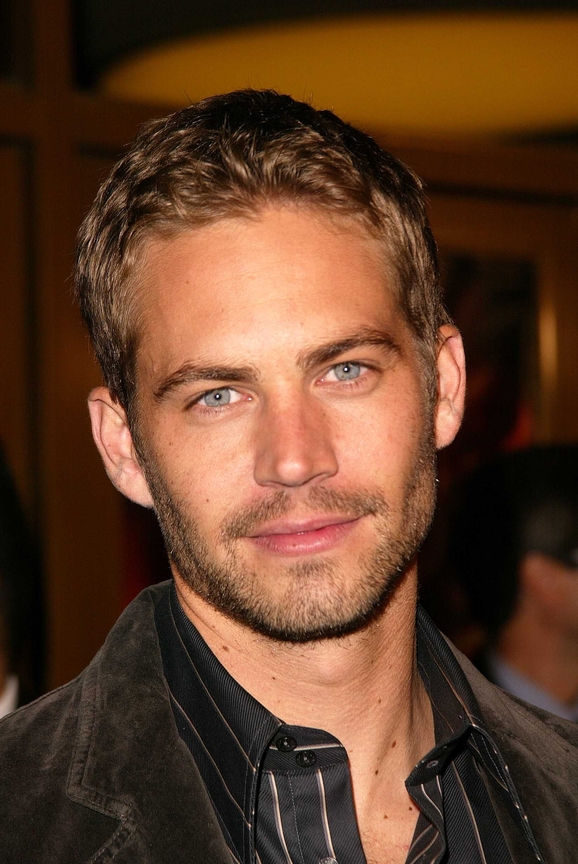
Paul Walker dies in fatal car wreck in Los Angeles County California.

The findings of the Los Angeles County California Deputy Coroner (see story here) have been released regarding the death of Fast and Furious star, Paul Walker.  They are gruesome and telling of a car crash clearly caused by one, primary factor: excessive speed.  The pertinent portions of the report state findings as follows:

  • The vehicle in which Walker was a passenger (a Porsche Carrera GT) was estimated to be traveling “in excess of 100 miles per hour” at the time of the crash.
Published on:

DUI Accident Claims in California; California Drunk Driving Laws; Personal Injury Laws of CaliforniaThe Insurance Journal reported recently that the National Highway Traffic Safety Administration, in conjunction with the Automotive Coalition for Traffic Safety ( a conglomerate of 15 automakers including all U.S. Manufacturers ) has extended an agreement to continue supporting research into an auto detection system for drunk drivers. (See Article here).  The system dubbed “Driver Alcohol Detection System for Safety” (“DADDS”) is hoped to be able to automatically detect when a driver has reached the legal limit to operate a motor vehicle which is .08 blood alcohol content (“BAC”) and disable the vehicle without being affected by any other passengers in the vehicle who may also be legally intoxicated.  Apparently, the technology is years away from being able to be deployed but, the research to date seems somewhat promising.

How big of a problem are drunk driving accidents in California

According to statistics maintained and provided by the California Department of Motor Vehicles, the Golden State averages approximately 175,000 –  200,000 arrests for driving under the influence of alcohol or drugs in any given year which result in approximately 140,000 to 150,000 DUI convictions.  Fatalities resulting from consumption of alcohol or drugs by motor vehicle operators ranges between about 1,400 and 1,600 per year.  Injury causing collisions where alcohol or drugs were involved ranges between about 30,000 to 35,000 persons per annum.

Published on:

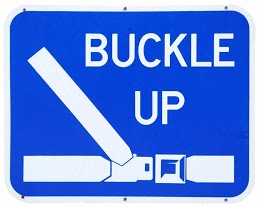
buckleupAs a personal injury lawyer, I have seen my fair share of car accident injuries related to lack of seat belt use.  I had a case recently where a vehicle went off winding road in the hills of Los Angeles and one passenger as killed and another occupant seriously injured due to not wearing their seat belts.  Safety restraints are vital to reducing these types of tragic cases.

What Are the Statistics on Serious Injuries and Fatalities Related to Lack of Seat Belt Use

The National Highway Traffic Safety Administration estimates that use of personal safety restraints in vehicles it the number one most important thing any person can do to reduce the risk of serious bodily harm or death related to a car crash.  In fact, in a study conducted in between 1994 and 2007, there was a direct correlation between auto collisions resulting in fatalities and lack of use of restraints.  Moreover, the Centers for Disease Control has examined numerous sources and determined that the increased seat belt use since 1975 (when many states began to make seat belt use mandatory) has decreased the number of passenger and driver deaths in automobile crashes by hundreds of thousands of people.  It is for this reason that all but one state (New Hampshire) now have seat belt laws on the books which require passenger and driver restraints for both front and rear seat occupants.  The bottom line is that, based upon all reputable studies to date, restrained drivers and passengers sustain much fewer fatal incidents and catastrophic injuries than non-restrained persons.

Published on:

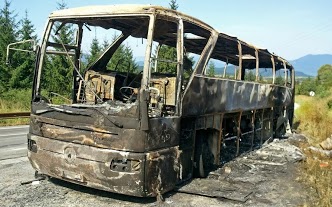
charter bus accident attorney los angeles, charter bus accident lawyer los angeles, charter bus accident attorney californiaGiven the spate of recent commercial tour bus crashes across the country including in California, many are asking whether there should be more oversight of these commercial tour bus and trucking companies.  Various federal agencies, including the National Traffic Safety Administration are faulting a lack of oversight of these companies as a principal cause for these incidents which have caused injuries and deaths across the country. (See article here).  Many are saying that the Federal Motor Carrier Safety Administration has been lax in it’s inspection and certification processes and needs to be overhauled.  They cite to the following examples:

  • February, 2013: Bus Crash in Yucaipa, CA: On Super Bowl weekend, this past year, a commercial tour bus from Interbus Tours and Charters was coming down from Big Bear Lake in San Bernardino County, California when it lost control and crashed killing 8 people (including seven passengers and a pick up truck driver hit by the bus) and injuring 33 more (including 11 who sustained serious, life-threatening bodily harm).  A California Highway Patrol accident investigation revealed a major brake malfunction due to mechanical failures including cracked drums and liners on all six brakes despite the fact that the bus had supposedly been inspected and certified as safe just a month earlier.  It was revealed that federal inspectors had not even requested to inspect the various buses at the company’s San Diego, CA headquarters despite prior citations based upon spot roadside checks.
  • December, 2012: Pendleton, OR: A commercial bus driver lost control on a slippery highway and broke through a barrier and slid down an embankment.  Nine people died and the driver and 37 of the passengers were seriously injured.  The primary cause of the incident was the excessive speed of the driver for the roadway conditions.  An inspection and investigation revealed that the driver had been on duty for 92 hours in eight straight days of work prior to the accident and the transmission retarder that was supposed to limit the bus’s speed was not functioning at the time of the crash. Federal inspectors had previously cited the tour bus company for failing to test drivers for drug and alcohol use and other problems but, had reinstated their license in 2011 despite “longstanding and systemic” problems.
Published on:

teen driving accidents in Calfiornia, teen driving accidents in Los Angeles, Los Angeles Personal Injury AttorneyThe recent fatal teen crash in Burbank, California that made national news has too many of the common characteristics of car accidents involving teenagers across the U.S., which cause serious injury and death every year.  (See story on candlelight vigil related to this incident from the Los Angeles Times).   Every year teenagers are eager to get their restricted or unrestricted driving permits but, need to heed warning from fatal incidents like this one.

According to the National Highway Traffic Safety Administration, drivers under the age of 18 are involved in traffic collisions more often than any other demographic.  In fact, according to the California Department of Motor Vehicles statistics, drivers between the age of 16 and 19 are involved in traffic collisions more than any other age group.  These statistics seem to center around several common characteristic causes, which include but are necessarily limited to the following:

  • Inexperience in Assessing Road Hazards: Driving, like any other skill, is something that takes time and learning.  One main proficiency behind the wheel that needs to be acquired is the ability to properly and timely assess road hazards and react properly.  Examples include assessing proper speed for maneuvering turns, coming to stops at intersections or for approaching traffic, overreacting to running off the edge of roadways or to hazards created by other drivers or fixed objects and otherwise perceiving risks and properly accounting for them.
Published on:

Bike Accident Attorney Los Angeles, Bike Accident Attorney Orange County CA, Bike Accident Attorney San DiegoBicycle riders will get a three foot buffer from passing motorists under a new California law that was passed by Governor Jerry Brown last month.  Bicycle riding advocates in the Golden State have been pushing for this legislation for several years now.  The last attempt was vetoed by Brown due to his concerns of ambiguity in the language of the statute.  It was re-drafted and re-submitted and passed on this go round.  Here is the final version of the bill that was passed (AB 1371 – Three Feet for Safety Act).  The prior version of the statute (California Vehicle Code 21750) already required drivers to pass bicycles, “to the left” and “at a safe distance” that “did not interfere with the safe operation of the bike”, however, no specific distance was specified as “safe”.  The revised code now states as follows:

“(c) A driver of a motor vehicle shall not overtake or pass a bicycle proceeding in the same direction on a highway at a distance of less than three feet between any part of the motor vehicle and any part of the bicycle or its operator.”

Subsection (d), however, provides a caveat that, if the automobile driver cannot provide three feet, they are still allowed to pass the bike but, they should, “slow to a speed that is reasonable and prudent, and may pass only when doing so would not endanger the safety of the operator of the bicycle, taking into account the size and speed of the motor vehicle and bicycle, traffic conditions, weather, visibility, and surface and width of the highway.”  This allows for the possibility of less than three feet but, only if speed is reduced and the passing maneuver is done in a way that is safe for the biker.

Published on:

wrongful death claims, california lawCNN reported today that the Michael Jackson wrongful death case will go to a jury for a decision. The attorneys for the defendant, AEG Entertainment Group (AEG), filed a motion to have the case dismissed but, this was overruled. (See full CNN report here: Michael Jackson trial). The jury trial has been going on since late April of this year and countless witnesses have presented testimony for the plaintiffs (the Jackson family) and the defense, AEG. There is some indication that Michael Jackson’s mother may be recalled as a witness and then both sides will present closing arguments and the jury will render a verdict. In order for the Jackson family to prevail, the jury will need to decide that AEG was negligent in hiring, supervising or retaining Dr. Conrad Murray, who has been criminally convicted of providing a lethal overdose of narcotics to Michael, thereby causing his death. I wanted to explore what California law requires for proving such a case in this post.

What Elements Will the Michael Jackson Jury Need to Decide Were Proven By the Evidence to Hold AEG Liable for Negligence? 

As with any trial by jury in the State of California, the jury will be instructed on the law by the judge through pre-approved jury instructions. The principal jury instruction in play for purposes of holding AEG liable for Jackson’s death will be California Civil Jury Instruction 426, which requires the following:

Published on:

drunk driving accidents, california lawThe California Court of Appeal for the Fourth District recently ruled that an employer may be held legally liable for an employee getting drunk at a company party and causing a fatal car accident.  The case is entitled, Purton v. Marriott International Inc. (for a PDF of the full court opinion, click here).

Facts of the Case: Michael Landri was employed as a bartender for the Marriott Del Mar Hotel in San Diego, CA.  The hotel was having its annual holiday party and Michael decided to “get the party started early” by consuming a couple of shots of Jack Daniels and some beer at home before leaving to go to the affair being held at the hotel.  At the event, he continued to consume alcohol, including hard liquor, being served by one of the hotel managers who was acting as a bartender for the event.  He apparently brought a flask with him to the party and the hotel manager filled the flask for him “to go.”  After the party, another hotel employee drove a group of workers to Landri’s house.  Landri stayed about 20 minutes without consuming any more alcohol and then attempted to drive a co-worker home.  Landri drove reportedly at speeds upwards of 100 mph, rear ended a car and killed the other driver.  His blood alcohol content was measured at 0.16 and he was convicted of gross vehicular manslaughter and sentenced to 6 years in prison.  The family of the slain victim sued both him and his employer, Marriott Hotels.  The trial court granted a Motion for Summary Judgment and dismissed the case on the basis that even the facts as viewed most favorable to the victim’s family would not be sufficient to hold the hotel liable for wrongful death.

Legal Issues: The main legal issue in this case stems from the legal doctrine of Respondeat Superior (a Latin phrase which literally translates, “let the master answer”) or vicarious liability.  This is the legal theory by which an employer (or “principal”) can be held responsible for the acts, errors or omissions of their employee (or “agent”).  Under California law, vicarious liability requires (at its most fundamental level) the proof of two elements as follows: (1) that the wrongdoer was an employee, agent, or acting on behalf of the employer/principal; and (2) at the time of the wrongful act, error or omission, the employee/agent was acting within the “course and scope” of the employment or agency relationship. (See: California Civil Jury Instruction 3701 based upon California Civil Code 2295, et.seq. and related statutes and cases.  A related issue was was whether the employer is responsible when the wrongful acts alleged (in this case consumption of alcohol followed by driving) occur some on “company time” and some on the employee’s “own time.”

Contact Information