 California Accident Attorneys Blog


Los Angeles residents face unique challenges when pursuing personal injury claims in one of America’s most congested metropolitan areas. With millions of vehicles on the roads, busy pedestrian corridors, and countless commercial establishments, accidents happen with alarming frequency. Understanding your legal rights and the claims process becomes essential when you’ve suffered injuries due to someone else’s negligence. This comprehensive guide explores everything you need to know about personal injury in Los Angeles, from common accident types to settlement timelines and legal requirements under California law.
Understanding Personal Injury Law in California
Personal injury law in California operates under a fault-based system, meaning the party responsible for causing an accident must compensate injured victims. The California Courts Self-Help Guide provides essential information about the personal injury lawsuit process, including necessary forms and procedural requirements.
California follows the principle of comparative negligence, which allows injured parties to recover damages even if they share partial responsibility for an accident. For example, if you’re found 20% at fault for a collision, your compensation reduces by that percentage. This framework makes California law relatively favorable for injury victims compared to states using contributory negligence rules.
Key Elements of a Valid Claim
To successfully pursue compensation for personal injury in Los Angeles, you must establish four critical elements:
- Duty of care: The defendant owed you a legal obligation to act reasonably
- Breach of duty: The defendant failed to meet that standard of care
- Causation: The breach directly caused your injuries
- Damages: You suffered actual losses requiring compensation
These elements form the foundation of every personal injury case, whether involving motor vehicle accidents, premises liability, or medical malpractice. Understanding California personal injury laws helps victims recognize when they have valid grounds for legal action.
Common Types of Personal Injury Cases
Los Angeles sees a diverse range of personal injury incidents, each with unique legal considerations. The city’s complex infrastructure and high population density create numerous scenarios where negligence leads to serious harm.
Motor Vehicle Accidents
Traffic collisions represent the most common source of personal injury claims in Los Angeles County. The region’s notorious traffic congestion, combined with distracted driving and aggressive behavior, creates dangerous conditions daily. Our complete guide to motor vehicle accident law covers everything from liability determination to insurance company tactics.
Motorcycle accidents pose particularly severe risks in Los Angeles, where lane-splitting remains legal but controversial. Riders face vulnerability even in minor collisions, often suffering catastrophic injuries requiring extensive medical treatment.

Pedestrian and Bicycle Accidents
Los Angeles continues expanding infrastructure for pedestrians and cyclists, but dangers persist at busy intersections and high-traffic corridors. Pedestrian accident settlements in California vary widely based on injury severity and economic losses.
Bicycle accidents frequently occur when drivers fail to respect cyclists’ right to roadway space. California law grants bicycles the same rights as motor vehicles, yet driver negligence remains a leading cause of serious cycling injuries.
Premises Liability Incidents
Property owners throughout Los Angeles bear responsibility for maintaining safe conditions. Slip and fall accident claims arise when hazardous conditions cause injuries on commercial or residential properties. These cases require proving the owner knew or should have known about the dangerous condition.
Dog bites, swimming pool accidents, and inadequate security cases also fall under premises liability. California’s strict liability dog bite statute makes owners responsible for injuries regardless of the animal’s prior behavior.
Calculating Damages in Los Angeles Cases
Personal injury compensation encompasses both economic and non-economic damages. Understanding how California courts value different types of harm helps victims set realistic expectations for their claims.
| Damage Type | Examples | Calculation Method |
|---|---|---|
| Medical Expenses | Emergency care, surgery, rehabilitation, medications | Actual bills plus projected future costs |
| Lost Wages | Missed work, reduced earning capacity | Income documentation and expert testimony |
| Pain and Suffering | Physical pain, emotional distress | Multiplier or per diem method |
| Property Damage | Vehicle repairs, personal belongings | Repair estimates or replacement value |
Economic Damages
Economic damages represent calculable financial losses directly tied to your injury. Medical bills form the largest component for most personal injury in Los Angeles cases, particularly when injuries require surgery or long-term treatment. California law allows recovery of all reasonable and necessary medical expenses, including future care needs.
Lost income claims extend beyond immediate wages to include reduced earning capacity. If your injuries prevent returning to your previous occupation, expert economists can calculate lifetime earnings losses. Self-employed individuals and business owners face additional complexity documenting income losses but remain entitled to full compensation.
Non-Economic Damages
Pain and suffering compensation addresses the physical discomfort and emotional impact of your injuries. California previously capped non-economic damages in medical malpractice cases at $250,000, but recent legislative changes have adjusted these limits for 2026.
The multiplier method takes economic damages and multiplies by a factor between 1.5 and 5, depending on injury severity. Permanent disabilities, disfigurement, and chronic pain justify higher multipliers. Insurance adjusters often use computer programs to calculate these values, though experienced attorneys argue for higher amounts based on case-specific factors.
Navigating the Claims Process
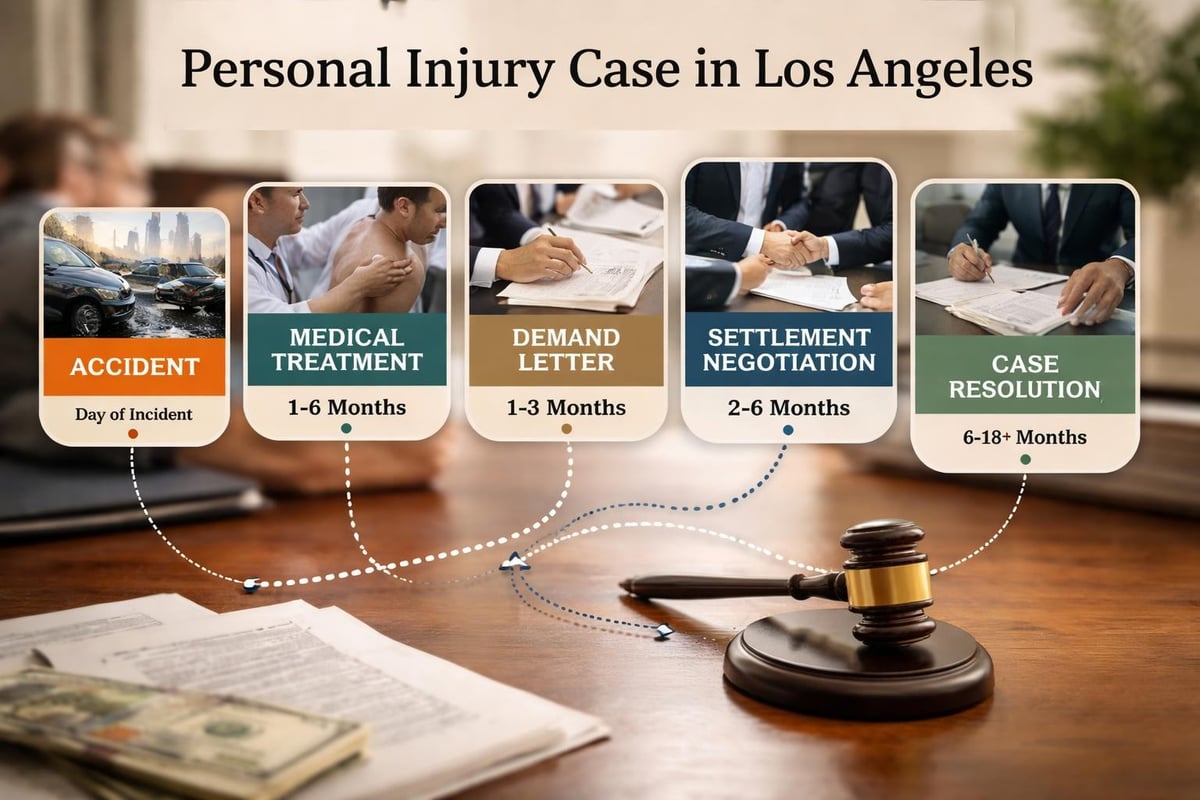
Successfully resolving personal injury in Los Angeles requires understanding the procedural steps from initial reporting through settlement or trial. The process typically spans several months to years depending on case complexity.
Immediate Post-Accident Steps
Document everything at the accident scene if possible. Photographs, witness contact information, and official reports create the evidentiary foundation for your claim. Seek medical attention immediately, even for seemingly minor injuries. Delayed treatment creates insurance company arguments that injuries weren’t serious or accident-related.
Report the incident to appropriate authorities. Traffic accidents require police reports, while workplace injuries need employer notification within specific timeframes. Premises liability cases benefit from incident reports filed with property management or business owners.
Medical Treatment and Documentation
Follow all medical advice and attend scheduled appointments. Treatment gaps allow insurance companies to argue you weren’t truly injured. Keep detailed records of:
- Doctor visits and treatment dates
- Prescribed medications and therapies
- Out-of-pocket medical expenses
- Travel costs for medical care
- Impact on daily activities and quality of life
Understanding whether to hire a lawyer or handle your own claim depends on injury severity and case complexity. Minor soft tissue injuries might resolve through direct negotiation, while serious cases benefit from legal representation.
Statute of Limitations Considerations
California law imposes strict deadlines for filing personal injury lawsuits. Generally, you have two years from the accident date to file a complaint in civil court. Missing this deadline typically results in permanent loss of your right to compensation.
Important Exceptions
Several exceptions can extend or shorten filing deadlines:
- Government entities: Claims against city, county, or state agencies require filing a government claim within six months, followed by lawsuit filing within six months if the claim is denied
- Minors: The statute of limitations typically doesn’t begin until the injured person reaches age 18
- Discovery rule: In cases where injuries weren’t immediately apparent, the deadline may start when you discovered or should have discovered the harm
The California Department of Health Care Services also requires specific procedures when Medi-Cal has paid medical expenses, as the program seeks reimbursement from personal injury settlements.
Settlement Negotiations and Values
Most personal injury in Los Angeles cases settle before trial, with negotiations typically beginning once you reach maximum medical improvement. This milestone occurs when doctors determine your condition has stabilized and future medical needs can be projected.
Factors Influencing Settlement Amounts
Insurance adjusters evaluate numerous factors when determining settlement offers. Liability clarity plays a crucial role-cases with unambiguous fault typically settle for higher amounts than those with disputed responsibility. Medical expenses strongly correlate with settlement values, as insurers recognize the economic reality of documented treatment costs.
Injury severity dramatically impacts compensation. Back injury settlements in California demonstrate the wide range of values, from several thousand dollars for minor sprains to millions for permanent spinal damage requiring surgery.
| Settlement Factor | Impact on Value | Why It Matters |
|---|---|---|
| Clear Liability | High positive | Reduces insurance company defense leverage |
| Severe Injuries | High positive | Justifies larger compensation demands |
| Pre-existing Conditions | Moderate negative | Creates apportionment arguments |
| Treatment Gaps | Moderate negative | Suggests injuries weren’t serious |
| Sympathetic Plaintiff | Moderate positive | Increases trial risk for insurance companies |
The Negotiation Process
Initial settlement offers typically fall far below case value. Insurance companies expect negotiation and start with low-ball proposals. Understanding settlement negotiation timelines helps victims maintain realistic expectations about case duration.
Your attorney prepares a comprehensive demand package including medical records, bills, wage loss documentation, and a detailed explanation of how the accident occurred and impacted your life. The demand letter requests specific compensation supported by evidence and legal authority.
Multiple rounds of offers and counteroffers follow. Experienced attorneys know when settlement proposals represent fair value versus when litigation becomes necessary to achieve just compensation.
Choosing Legal Representation
Selecting qualified counsel significantly impacts personal injury in Los Angeles case outcomes. The right attorney brings specialized knowledge, negotiation skills, and litigation experience that maximize your recovery potential.
Essential Attorney Qualifications
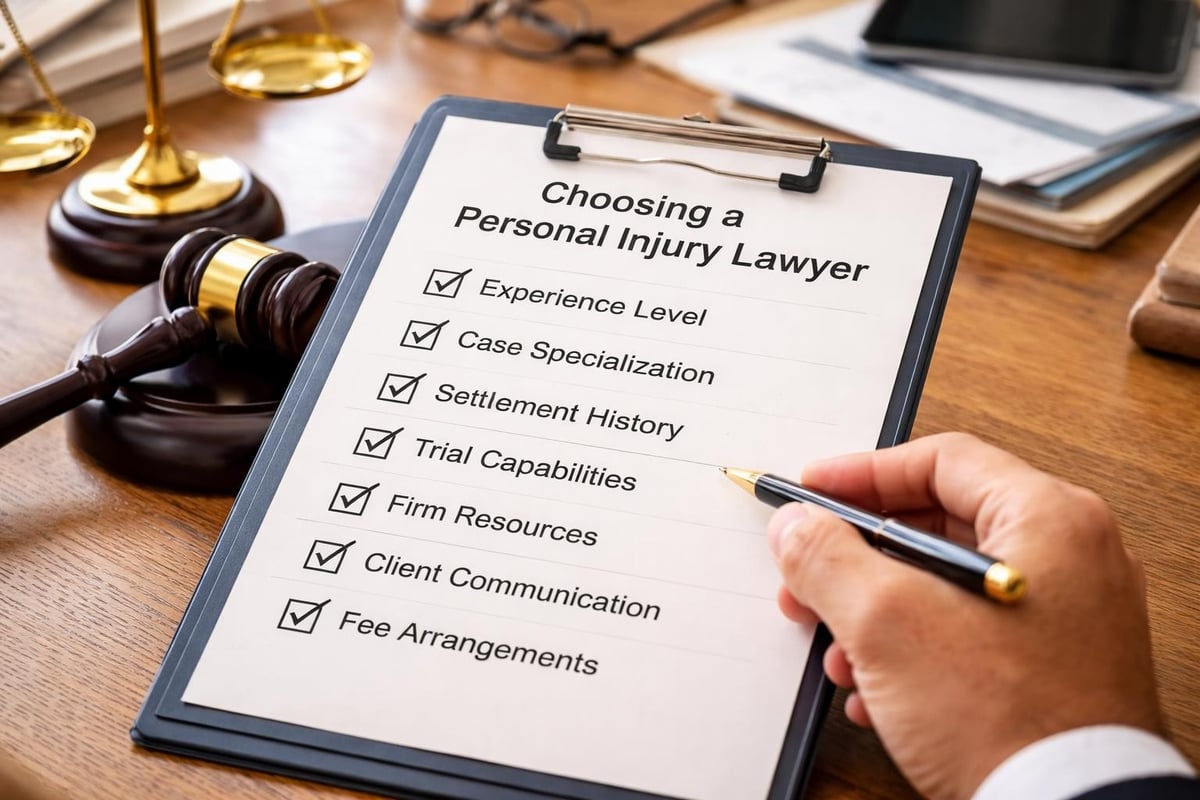
Look for lawyers with substantial personal injury experience specifically in California courts. Choosing the right California personal injury lawyer requires evaluating track records, resources, and communication styles.
Consider these critical factors:
- Case results: Review past settlements and verdicts in similar cases
- Trial experience: Attorneys willing to litigate secure better settlements
- Resources: Large cases require expert witnesses and significant upfront costs
- Fee structure: Most personal injury attorneys work on contingency, charging only if they recover compensation
- Client reviews: Research reputation and client satisfaction ratings
California’s contingency fee structure typically involves attorneys receiving one-third of settlements or 40% of trial verdicts. This arrangement aligns attorney and client interests while making legal representation accessible regardless of financial resources.
Special Considerations for Los Angeles Cases
The unique characteristics of Los Angeles create specific challenges and opportunities for injury victims. Understanding local factors helps you navigate the claims process more effectively.
High-Risk Areas and Situations
Certain Los Angeles locations see disproportionately high accident rates. The Pacific Coast Highway presents unique dangers with its combination of scenic views, sharp curves, and heavy tourist traffic. Downtown intersections, particularly during rush hour, generate numerous pedestrian and bicycle accidents.
Construction zones throughout the city create hazardous conditions for both workers and motorists. California law imposes enhanced penalties for violations in work zones, recognizing the elevated risks these areas present.
Uninsured Motorist Coverage
Despite California’s mandatory insurance laws, approximately 15% of drivers operate without coverage. Understanding uninsured and underinsured motorist protection becomes critical when the at-fault party lacks resources to compensate your injuries.
Your own auto insurance policy’s UM/UIM coverage steps in when uninsured drivers cause accidents. This coverage pays medical expenses, lost wages, and pain and suffering up to your policy limits. Many injury victims don’t realize they can recover through their own insurance even when someone else caused the collision.
Insurance Company Tactics to Avoid
Insurance adjusters employ various strategies to minimize payouts on personal injury in Los Angeles claims. Recognizing these tactics protects your interests during negotiations.
Common Delay and Denial Strategies
Adjusters frequently request unnecessary documentation to slow the process, hoping victims will accept low offers out of financial desperation. They may claim medical treatment was excessive or unrelated to the accident, particularly when pre-existing conditions exist.
Recorded statements represent another trap for unwary victims. Adjusters use leading questions to elicit responses that undermine claims. You’re never required to provide recorded statements to the at-fault party’s insurance company, though you must cooperate with your own insurer under policy terms.
Quick settlement pressure often occurs shortly after accidents, before injury severity becomes apparent. Early offers typically represent a fraction of actual case value. Never accept settlement offers without consulting experienced legal counsel.
Medical Treatment and Healthcare Liens
Los Angeles victims often receive treatment through various payment arrangements when they lack health insurance or their policies exclude accident-related care. Understanding medical liens and repayment obligations prevents settlement surprises.
Types of Healthcare Liens
Medical providers sometimes agree to treat injury victims with payment deferred until case resolution. These arrangements create liens against settlement proceeds, meaning the doctor gets paid directly from your recovery. While convenient for accessing immediate care, liens can significantly reduce net compensation.
Health insurance companies that pay accident-related bills typically assert subrogation rights, demanding repayment from settlements. California law requires notice and provides opportunities to negotiate lien reductions based on attorney fees and costs.
Medicare and Medi-Cal present special challenges. Federal law mandates repayment of Medicare conditional payments, while California’s Medi-Cal program pursues reimbursement through formal processes. Failing to resolve these liens properly can result in federal enforcement actions.
Recent Legal Developments Affecting Claims
California personal injury law continues evolving through legislation and court decisions. Staying current with California personal injury laws helps victims understand their rights under the most recent standards.
2026 Legislative Changes
Recent statutory modifications impact various aspects of personal injury litigation. Changes to discovery procedures, expert witness disclosure requirements, and trial procedures affect how cases proceed through Los Angeles courts. Medical malpractice damage caps have adjusted for inflation, increasing compensation available to victims of healthcare negligence.
Premises liability standards continue developing through appellate decisions addressing property owner duties. California courts recently clarified landlord responsibilities for criminal attacks on tenants, expanding liability in some circumstances while limiting it in others.
Working With Medical Providers
Coordinating medical care while managing a personal injury claim requires careful attention. The treatment choices you make directly impact both your health outcome and case value.
Selecting Appropriate Treatment
Use providers experienced with personal injury patients who understand documentation requirements. Your medical records become crucial evidence, and thorough documentation of injury complaints, examination findings, and treatment rationale strengthens your claim.
Follow prescribed treatment plans consistently. Insurance companies scrutinize medical records for compliance gaps, using missed appointments or discontinued therapies to argue injuries resolved or weren’t serious. If you disagree with treatment recommendations, discuss concerns with your doctor rather than simply stopping care.
Consider these treatment priorities:
- Address emergency medical needs immediately
- Follow up with specialists for comprehensive evaluation
- Comply with all recommended therapies and medications
- Document symptom changes and treatment responses
- Maintain regular communication with your attorney about medical progress
The Role of Expert Witnesses
Complex personal injury in Los Angeles cases often require expert testimony to establish liability, prove damages, or explain technical issues to juries. Understanding expert roles helps victims appreciate why case costs sometimes run high.
Common Expert Types
Accident reconstruction specialists analyze collision dynamics, vehicle damage, and roadway evidence to determine how accidents occurred and who bears fault. Medical experts explain injury mechanisms, treatment necessity, and prognosis for recovery or permanent impairment.
Economic experts calculate past and future wage losses, considering education, work history, and labor market conditions. Life care planners project long-term medical needs and associated costs for catastrophically injured victims. Vocational rehabilitation counselors assess work capacity and retraining requirements when injuries prevent returning to previous employment.
Quality expert testimony often determines case outcomes, particularly in disputed liability situations or when injuries exceed policy limits justifying pursuit of defendant’s personal assets.
Moving Forward After Settlement
Once you’ve successfully resolved your personal injury in Los Angeles case, several practical matters require attention. Settlement checks typically arrive within 30 days of signing release documents.
Financial Planning Considerations
Large settlements benefit from professional financial advice. Personal injury compensation isn’t taxable for physical injuries under federal law, but investment income generated from settlement funds is taxable. Structured settlements provide guaranteed future income through annuities, offering protection against poor investment decisions or overspending.
Pay careful attention to lien resolution. Your attorney should provide detailed accounting of all deductions from settlement proceeds, including medical liens, case costs, and attorney fees. Review these calculations thoroughly before signing final settlement documents.
Consider the impact on government benefits if you receive SSI, SSDI, or Medi-Cal. Large settlements can affect eligibility, though special needs trusts sometimes preserve benefits while providing access to settlement funds.
Personal injury in Los Angeles cases involve complex legal, medical, and insurance considerations that significantly impact recovery outcomes. Understanding California law, avoiding insurance company tactics, and securing experienced legal representation maximizes your compensation potential while allowing you to focus on physical recovery. Steven M Sweat, Personal Injury Lawyers, APC provides the knowledge, resources, and dedication necessary to protect your rights and achieve the justice you deserve after suffering injuries due to someone else’s negligence.