 California Accident Attorneys Blog


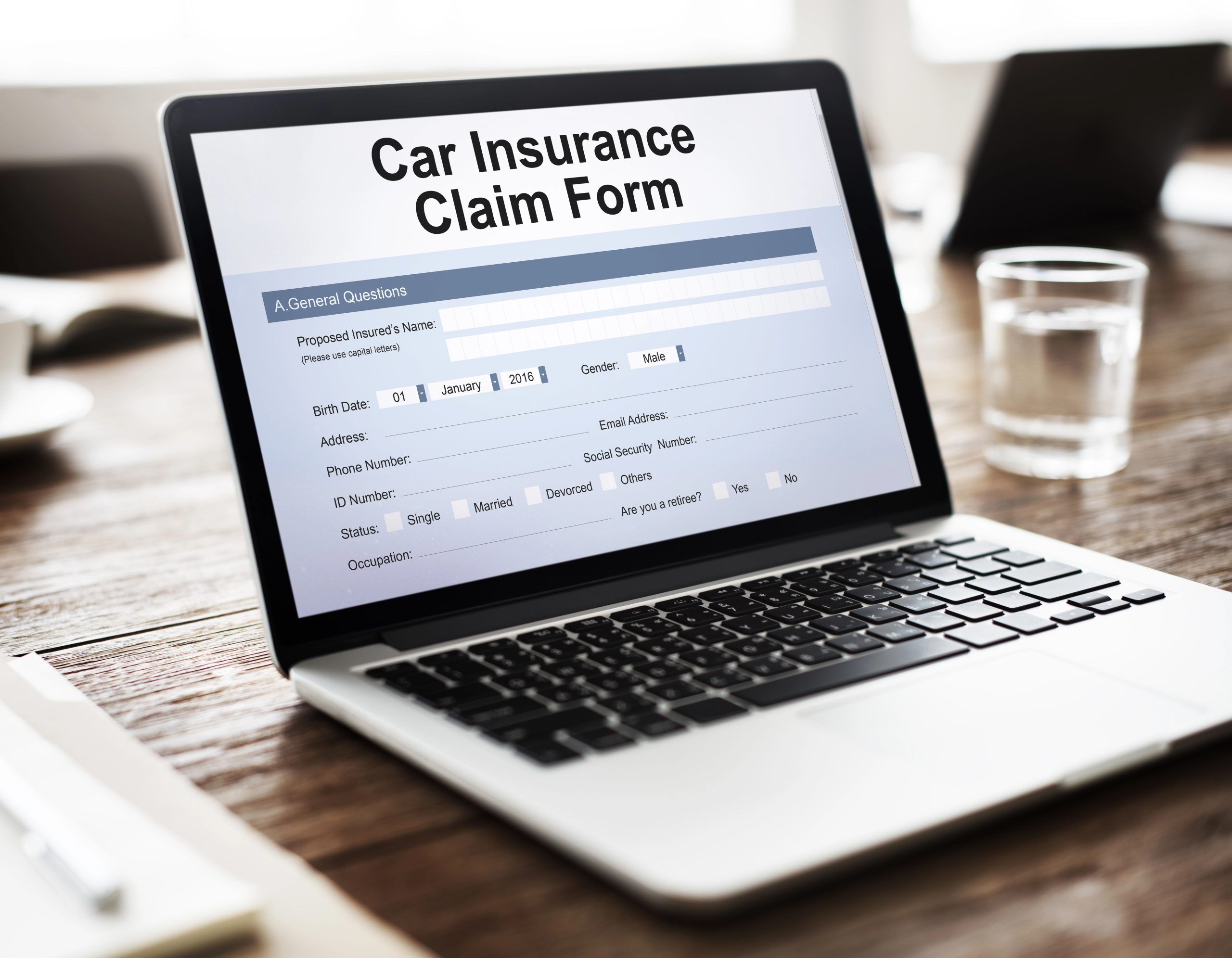 Car accidents are among the most stressful events a person can experience — physically, emotionally, and financially. In California, navigating the aftermath of an accident often means dealing with insurance companies, adjusters, and complex legal procedures. Understanding how insurance companies handle car accident claims in California can make a critical difference in protecting your rights and ensuring that you receive fair compensation.
This comprehensive guide covers the entire claims process — from reporting a collision to final settlement — and provides insights into the tactics insurance companies often use. We’ll also explore California laws that affect fault, claims, and compensation, and provide expert guidance on how a personal injury attorney can strengthen your case.
For those seeking hands‑on legal help, visit — a trusted resource for car accident victims across California.
1. Understanding California’s Car Accident Claims Landscape
Every state has unique laws that define how auto insurance and claims work. In California, several key rules shape the claims process:
A. California Is an At‑Fault State
California operates under a fault‑based insurance system (also known as a tort system). This means the driver who is found responsible for causing the accident is also liable for the damages — such as medical bills, property damage, lost wages, and pain and suffering.
In practical terms:
- Accident victims must file claims with the at‑fault driver’s insurance company (a third-party claim) to seek compensation.
- Alternatively, injured parties may use their own coverage (first-party claim) if they have optional protections like Medical Payments (MedPay) or Uninsured/Underinsured Motorist (UM/UIM) coverage.
This system can quickly become adversarial — insurance companies often dispute fault or undervalue claims to protect their bottom line.
B. Minimum Auto Insurance Requirements in California
California drivers are legally required to carry the following minimum liability coverage:
- $30,000 for injury or death to one person
- $60,000 for injury or death to more than one person
- $5,000 for property damage
(California Vehicle Code §16056)
However, these amounts are often far below the actual cost of medical care or vehicle replacement after a serious crash. That’s why many people purchase higher-level coverage or optional policies like comprehensive, collision, or UM/UIM.
2. The Step-by-Step Process: How Insurance Companies Handle a Claim
Understanding how insurers investigate and process claims helps car accident victims anticipate what’s coming next — and avoid common pitfalls.
The typical timeline includes the following steps:
Step 1: The Initial Report
Immediately after an accident, the parties involved must report the incident to their insurance companies. You should generally notify your insurer, even if you believe the other driver was at fault.
Most California policies require prompt reporting — often “as soon as reasonably possible.” Delays could result in a denied claim.
Key details your report should include:
- Time and location of the accident
- Names, contact, and insurance information of all drivers involved
- Police report number (if applicable)
- Photos, witness statements, and other relevant evidence
Tip: When reporting, stick to the facts. Avoid making assumptions about fault or downplaying injuries. Insurance adjusters can later use these statements to minimize payouts.
Step 2: Assigning an Insurance Adjuster
Once a claim is filed, the insurance company assigns an adjuster — the representative responsible for evaluating the incident and determining liability and damages.
The adjuster’s role includes:
- Contacting all parties involved
- Reviewing police reports
- Inspecting vehicle damage
- Gathering evidence and witness statements
- Analyzing medical bills and crash reports
Although adjusters often appear friendly and cooperative, their primary duty is to protect the insurance company’s financial interests — not yours.
That’s why many accident victims turn to legal professionals early in the process. An experienced attorney, like those at , can handle communications, ensure evidence is preserved, and prevent adjusters from devaluing your claim.
Step 3: The Investigation Phase
Insurers conduct a detailed investigation to determine:
- Liability (fault) — Which driver was negligent?
- Coverage scope — What does the policy cover?
- Damages — How much are the losses worth?
California’s comparative negligence rule also plays a significant role here (see Section 3). If both drivers share some blame, the insurer will assess percentages of fault for each — directly impacting the final payout.
During this phase, be prepared for:
- Requests for recorded statements
- Independent medical examinations (IMEs)
- Vehicle inspections
- Review of social media and public records
Always consult your attorney before providing statements or signing any releases. Innocent comments or incomplete information can later be twisted to limit compensation.
Step 4: Coverage Determination
After reviewing all evidence, the insurer issues a coverage determination letter, outlining:
- What the policy covers
- The insurer’s findings about fault and damages
- The next steps in the process
This letter doesn’t necessarily mean payment is coming soon — it’s simply the insurer’s official stance based on their internal review. If you disagree with the findings, your attorney can contest or appeal the decision and provide additional evidence.
Step 5: Settlement Negotiation
If liability is accepted, the insurer will propose a settlement offer — an amount they believe satisfies your losses. However, initial offers often cover only a fraction of what victims truly deserve.
Insurers use software tools like Colossus to calculate claim values based on standardized data, which often underestimates pain and suffering, long-term treatment costs, and emotional distress.
A lawyer experienced in California personal injury law will:
- Compile medical documentation, expert opinions, and financial records
- Evaluate past case results for similar injuries
- Negotiate assertively for a fair settlement
If negotiations stall, the case may move toward litigation — but most claims settle before reaching a courtroom.
Step 6: Claim Resolution or Lawsuit
If a fair settlement cannot be reached, you (with your attorney’s guidance) may choose to file a personal injury lawsuit against the at-fault driver.
In California, you generally have two years from the date of the accident to file (California Code of Civil Procedure §335.1).
The litigation process may include:
- Filing a complaint in civil court
- Discovery (exchange of evidence between parties)
- Pre-trial motions and mediation
- Trial, if necessary
Lawsuits often motivate insurers to make higher settlement offers, especially when faced with strong evidence and skilled legal representation.
For victims navigating these decisions, provides detailed guidance and support from seasoned California car accident attorneys.
3. Comparative Negligence: When Fault Is Shared
Under California’s pure comparative negligence rule, your compensation is reduced by the percentage of fault attributed to you.
Example:
If you’re awarded $100,000 in damages but found 20% at fault, you’ll receive $80,000.
This rule means that even if you were partially responsible for an accident, you can still recover damages. However, insurers frequently exploit this system to assign exaggerated blame percentages — a tactic that can significantly cut your payout.
A skilled personal injury lawyer will analyze police reports, reconstruct the accident if necessary, and challenge inflated fault calculations to protect your rights.
(See: Li v. Yellow Cab Co. (1975) 13 Cal.3d 804 for California’s landmark decision adopting comparative negligence.)
4. Common Tactics Insurance Companies Use in California
Insurance is a profit-driven industry, and minimizing claim payouts is part of its business model. Victims often face manipulation, delay, and misdirection.
Here are some of the most common insurance company tactics used after California car accidents:
- Downplaying Injuries — Suggesting your injuries are “minor” or pre-existing.
- Delays and Bureaucracy — Asking for excessive documentation or taking weeks to reply.
- Lowball Settlements — Offering early payouts before injuries are fully diagnosed.
- Recorded Statements — Using your own words against you later in negotiations.
- Misrepresentation of Policy Terms — Claiming certain damages aren’t covered when they are.
- Surveillance and Social Media Monitoring — Watching for posts or photos that undermine your claim.
- Pressure to Avoid Attorneys — Encouraging victims not to hire legal representation by implying it will “slow down” payments.
Don’t fall for these tactics. Consulting an attorney early — even before providing details to an adjuster — can dramatically shift the balance of power.
For personalized advice, visit .
5. What Damages Can You Recover in a California Car Accident Claim?
Car accident victims in California are entitled to two primary types of damages:
Economic Damages (Tangible Losses)
- Medical expenses (hospital bills, physical therapy, medication)
- Lost wages and loss of earning capacity
- Property damage (vehicle repairs or replacement)
- Funeral and burial expenses in wrongful death cases
Non‑Economic Damages (Intangible Losses)
- Pain and suffering
- Emotional distress
- Loss of companionship or consortium
- Diminished quality of life
In severe cases — particularly those involving reckless or egregious misconduct (e.g., drunk driving) — courts may also award punitive damages to punish the wrongdoer.
Assessing damages accurately often requires expert analysis. That’s one reason why accident victims typically recover significantly more compensation when represented by an attorney compared to those who negotiate alone.
6. How Long Do Insurance Claims Take in California?
The timeline for car accident claims in California can vary widely depending on factors like fault disputes, injury severity, and insurer responsiveness.
Typical timelines:
- Minor property damage claims: 30–60 days
- Injury claims: 3–9 months (or longer if medical treatment is ongoing)
- Litigation: 1–2 years, depending on court schedules
California law (California Code of Regulations Title 10, §2695.7) requires insurers to:
- Acknowledge a claim within 15 calendar days
- Accept or deny a claim within 40 calendar days of receiving complete documentation
If an insurer unreasonably delays or denies your claim, you may have grounds for a bad faith insurance lawsuit (see Section 7).
7. Bad Faith Insurance Practices in California
Insurance companies are legally obligated to act in good faith — meaning they must process and settle claims fairly and promptly. When they fail to do so, policyholders can pursue a bad faith claim.
Examples of Bad Faith Conduct
- Unjustified claim denial
- Intentionally misinterpreting policy terms
- Failing to investigate within a reasonable time
- Refusing to pay a clear claim
- Undervaluing damages without justification
Victims of bad faith practices can sue for:
- The value of the original claim
- Additional damages caused by the insurer’s misconduct
- Emotional distress
- Punitive damages
For more information on this topic, see the California Insurance Code §§790.03(h) — which outlines unfair claims settlement practices.
If you suspect your insurer acted in bad faith, explore your options at .
8. Uninsured and Underinsured Motorist Claims
Despite California’s insurance requirements, many drivers on the road are still uninsured or underinsured. The California Department of Insurance reports that roughly 16% of motorists lack proper coverage.
If you’re hit by an uninsured or underinsured driver:
- You can file a UM/UIM claim through your own insurance policy.
- Your insurer essentially “steps into the shoes” of the at-fault driver.
Be cautious — even though you’re dealing with your own insurer, the claims process can be just as contentious. The company still wishes to minimize payout amounts.
That’s another reason to consider legal representation early in the UM/UIM stage.
9. Dealing with Medical Treatment and Bills
California law does not require drivers to carry personal injury protection (PIP), which means victims often rely on:
- Health insurance
- MedPay coverage (if purchased)
- Third-party claims against the at-fault driver
Doctors and hospitals may file liens on your settlement to recover outstanding medical bills. An attorney can negotiate these liens to ensure that most of the final settlement goes into your pocket — not to medical creditors.
Professionals at help clients coordinate medical care and handle lien resolution so victims can focus on recovery, not billing.
10. How Long Do You Have to File a Claim or Lawsuit?
Statutes of limitation in California strictly determine how long you have to pursue legal action after a car accident:
- Personal injury: 2 years from the date of the accident
- Property damage: 3 years from the date of the accident
- Claims against government entities: 6 months (a separate administrative process)
Failing to file within these deadlines can forfeit your right to compensation entirely.
That’s why it’s vital to speak with an attorney immediately following an accident. They can ensure all notices and filings meet strict procedural requirements.
11. How a Car Accident Attorney Helps You Through the Process
Dealing with an insurance claim may seem manageable initially, but adjusters and corporate lawyers are trained negotiators. Partnering with an experienced attorney can level the playing field.
An Attorney’s Key Roles Include:
- Managing all communication with insurance representatives
- Gathering and preserving evidence
- Consulting medical and accident reconstruction experts
- Calculating accurate and future damages
- Negotiating settlement offers
- Filing lawsuits if necessary
Legal advocates such as those at specialize in California car accident cases, offering free consultations and no‑fee guarantees unless you win compensation.
12. Tips to Strengthen Your California Accident Claim
To optimize your compensation potential, follow these expert recommendations:
- Collect Evidence Immediately — Take photos, gather witness contacts, and obtain the police report.
- Seek Prompt Medical Attention — Even if injuries seem minor. Medical records solidify your claims.
- Keep Detailed Records — Track expenses, receipts, and communications with insurers.
- Avoid Social Media Discussions — Posts can be misconstrued and used against you.
- Do Not Accept the First Offer — Initial settlements rarely represent fair value.
- Consult an Attorney Early — Legal counsel dramatically improves claim outcomes.
For a step‑by‑step guide tailored to California victims, visit:
13. Key California Laws That Affect Car Accident Claims
Below are the most significant statutes and regulations relevant to handling car accident insurance claims in California:
| Law/Code | Description |
|---|---|
| California Vehicle Code §16056 | Minimum liability insurance requirements |
| California Civil Code §3333 | General rule for measuring damages in tort claims |
| California Code of Civil Procedure §335.1 | Two-year statute of limitations for personal injury claims |
| California Insurance Code §790.03(h) | Defines unfair claims settlement practices |
| 10 CCR §2695.7 | Insurer duties for acknowledgment and investigation timelines |
| California Vehicle Code §20008 | Requires drivers to report accidents involving injury or death within 24 hours |
Understanding these rules ensures victims know how to protect their rights — and when insurers are failing in their legal duties.
14. Frequently Asked Questions
Q1: Should I contact my insurance company after an accident if I wasn’t at fault?
Yes. You should always inform your insurer about any accident. Failing to do so could result in coverage issues or delay claims related to your own policy (e.g., rental car coverage or MedPay).
Q2: Can I file a claim if the other driver doesn’t have insurance?
Yes. You can file an uninsured motorist claim through your own insurer, provided you have UM coverage. You can also explore suing the at-fault driver personally, though recovery may be limited if they lack assets.
Q3: What if my injuries appear days or weeks later?
You can still file a claim. It’s common for whiplash or internal injuries to surface later. Ensure your medical care documents the delayed onset of symptoms.
Q4: Do I need an attorney for a minor fender-bender?
Not always, but even minor accidents can have hidden costs — like long-term neck pain or rising medical bills. A free consultation with a lawyer can clarify your rights before you sign any settlement.
Q5: How are pain and suffering damages calculated?
Typically, insurers use two methods:
- Multiplier method: Economic damages multiplied by a factor (1.5–5) based on injury severity.
- Per diem method: Daily rate assigned for each day of recovery.
Attorneys help argue for higher, fairer valuations supported by evidence.
15. Final Thoughts: Protecting Yourself and Your Rights
Dealing with insurance companies after a car accident in California can feel overwhelming, but understanding how the process works gives you power.
Key takeaways:
- California follows an at‑fault system, so proving negligence is essential.
- Insurers aim to limit payouts — be cautious when providing statements or accepting early offers.
- Keep meticulous records and seek prompt medical attention.
- Don’t hesitate to consult an experienced personal injury attorney to maximize your recovery and protect your rights.
If you or a loved one has been injured in a California car accident, help is available.
Visit for compassionate, experienced, and results-driven legal support dedicated to protecting accident victims statewide.
References
- California Vehicle Code §16056 —
- California Code of Civil Procedure §335.1 —
- California Insurance Code §790.03(h) —
- 10 California Code of Regulations §2695.7 —
- Li v. Yellow Cab Co. (1975) 13 Cal.3d 804 — California Supreme Court Decision
- California Department of Insurance:
- VictimsLawyer.com —