 California Accident Attorneys Blog


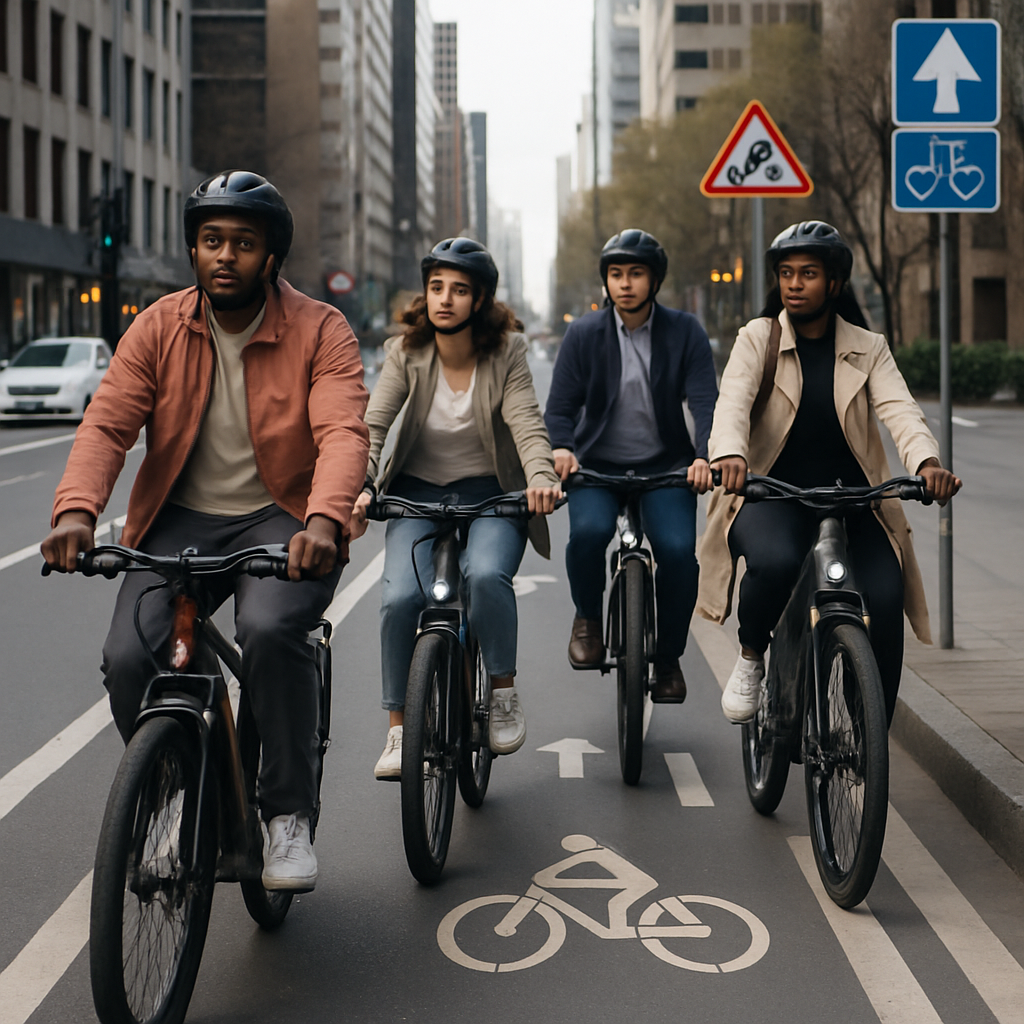 California’s legal framework for e-bikes is nuanced, designed primarily to promote safety while accommodating the growing popularity of electric bicycles. This framework fits best for urban riders who frequently navigate busy streets and require clarity on their rights and responsibilities.
A significant limitation of California’s e-bike laws is their complexity, particularly regarding classifications. E-bikes are categorized into three classes based on their speed and motor assistance, which can confuse riders about where they can legally operate. Misunderstanding these classifications can lead to fines or accidents.
For instance, an e-bike classified as Class 3 allows speeds up to 28 mph but cannot be used on bike paths unless local regulations permit it. A rider unaware of this might inadvertently ride in a prohibited area, exposing themselves to legal repercussions and potential liability in case of an accident.
Many riders overestimate their understanding of these laws, believing that all bicycles share the same regulations. This misconception can lead to dangerous situations on the road, particularly when navigating intersections or sharing lanes with cars. Riders should consult with an e-bike accident attorney in Los Angeles for precise legal advice tailored to their specific circumstances.
Classification of E-Bikes and Their Legal Implications
The three classifications—Class 1 (pedal-assist), Class 2 (throttle-assisted), and Class 3 (speed-pedelec)—each have unique legal implications. For example, while Class 1 and Class 2 bikes can generally operate on bike paths, Class 3 bikes face restrictions that may limit their use in certain areas.
Understanding your e-bike’s classification is critical for compliance with local laws.
Liability in E-Bike Accidents
Establishing liability in e-bike accidents is crucial for determining who bears financial responsibility for injuries and damages. This analysis fits best for riders involved in multi-vehicle collisions or incidents where negligence may be in question.
A significant limitation is the complexity of fault determination, particularly when multiple parties are involved. In many cases, e-bike riders may assume they have a strong case based solely on being the injured party. However, if fault is shared, this can significantly reduce potential compensation.
Determining Fault in Multi-Vehicle Accidents Involving E-Bikes
In California, fault in an accident is typically determined by examining the actions of all parties involved. For instance, if an e-bike rider collides with a car while running a red light, the driver may not be held fully liable despite causing injury. Conversely, if a driver fails to yield to a cyclist legally at an intersection, they could be deemed primarily at fault.
Consider a scenario where an e-bike rider is struck by a car that swerved into their lane. If evidence shows that the rider was also speeding or not wearing a helmet as required by law, this could complicate claims against the driver. Engaging with an e-bike accident attorney in Los Angeles early on can help clarify these nuances.
Comparative Negligence and How It Affects Compensation
California follows a comparative negligence rule, meaning that compensation can be reduced based on the degree of fault attributed to each party. This framework means that even if you are partially at fault for your accident, you can still recover damages; however, your recovery amount will decrease proportionally.
Most riders underestimate how their own actions can impact legal outcomes, states Steven M. Sweat, an experienced personal injury lawyer for e-bike accidents in LA. Many believe that being struck automatically entitles them to full compensation without considering their own potential negligence.
Role of Insurance Coverage for E-Bike Riders
Insurance coverage plays a pivotal role in protecting e-bike riders, notes experts in electric bike injury legal services LA. Riders should ensure they have adequate insurance that covers both personal injuries and property damage resulting from accidents.
- Many riders lack sufficient liability coverage, which can leave them vulnerable if found at fault.
- Conversely, having comprehensive insurance can facilitate smoother claims processes, allowing access to medical care and vehicle repairs without immediate out-of-pocket expenses.
‘Understanding your insurance policy’s terms is essential; inadequate coverage can lead to financial strain post-accident.’
Legal Protections for E-Bike Riders
E-bike riders in California are afforded specific legal protections that are crucial for ensuring their safety and rights on the road. These protections fit best for active e-bike users who frequently navigate urban environments, where the risk of accidents is heightened.
One significant limitation is that while these legal protections exist, they are often poorly understood by riders. Many e-bike users overestimate their knowledge of traffic laws and their rights, which can lead to dangerous situations. For example, a rider may assume they have the same rights as traditional cyclists without realizing specific regulations apply to e-bikes.
For instance, if an e-bike rider is involved in an accident with a motor vehicle, they may not be aware that they have the right to seek compensation for damages if the driver was negligent. Engaging with a qualified e-bike accident attorney in Los Angeles can clarify these rights and guide riders through the complexities of personal injury claims.
Rights to Safe Roadways and Infrastructure Improvements
California law mandates that local governments consider the needs of all road users, including e-bike riders, when planning transportation infrastructure. This includes creating safer bike lanes and ensuring roads are well-maintained. However, many municipalities fail to prioritize these improvements adequately.
- Riders have the right to access bike lanes designed for safe travel.
- Local governments must provide adequate signage indicating bike routes.
Advocating for improved infrastructure can significantly enhance safety for e-bike riders.
Legal Recourse for Injuries Caused by Negligent Drivers
‘E-bike riders have the same legal recourse as other vehicle operators when injured due to another’s negligence.’ This means they can file personal injury claims against drivers who cause accidents. However, many riders mistakenly believe that their injuries will automatically entitle them to compensation.
Understanding how negligence is assessed in California is crucial. If an e-bike rider is found partially at fault for an accident—say, by not following traffic signals—they may face reduced compensation. This reality often leads riders to underestimate the importance of legal representation from experienced professionals like an electric bike injury attorney in LA.
‘State and Local Initiatives Supporting E-Bike Safety
Many teams overestimate their ability to navigate these initiatives without professional guidance. Riders often assume that simply knowing about these programs suffices; however, actively engaging with them—such as attending workshops or utilizing available resources—can make a significant difference in improving safety outcomes.
Navigating the Claims Process After an E-Bike Accident
The claims process following an e-bike accident requires careful navigation to secure compensation for injuries and damages. This process fits best for riders who have sustained injuries due to another party’s negligence and are seeking legal recourse.
A notable limitation is the complexity of personal injury claims, especially when multiple parties are involved or when liability is disputed. Many riders underestimate the need for legal representation, believing they can handle claims independently. This often leads to inadequate settlements or missed opportunities for full compensation.
Steps to Take Immediately Following an Accident
After an e-bike accident, the first steps are crucial. Riders should ensure their safety by moving to a safe location if possible and calling emergency services for medical assistance. Gathering contact information from witnesses and taking photos of the scene can provide essential evidence later on.
Importance of Documentation and Evidence Collection
Thorough documentation is vital for substantiating your claim. This includes medical records, police reports, and any correspondence with insurance companies. For instance, a rider may document injuries through photographs or keep a journal detailing their recovery process. Such records can significantly impact the outcome of your case.
Engaging with Insurance Companies Effectively
When dealing with insurance companies, many riders mistakenly believe that providing a simple account of events will suffice. In practice, insurers often seek to minimize payouts, which can lead to low settlement offers. Engaging with an e-bike accident attorney in Los Angeles ensures that you present a strong case backed by evidence and legal expertise.
Having professional legal representation can substantially improve negotiation outcomes with insurance companies.
The Role of an E-Bike Accident Attorney in Los Angeles
Engaging an e-bike accident attorney in Los Angeles is essential for riders seeking to navigate the complexities of personal injury claims. These attorneys are particularly beneficial for those who have sustained injuries from collisions involving motor vehicles or other e-bikes, as they can leverage their specialized knowledge to maximize compensation.
One limitation to consider is the potential cost of hiring a specialized attorney. While many operate on a contingency fee basis, meaning they only get paid if you win your case, upfront costs for consultations or initial legal advice can still be a barrier for some riders. This financial consideration can deter individuals from seeking the necessary legal help after an accident.
For example, after an e-bike accident, a rider might consult with an attorney to evaluate their case. The attorney would gather evidence, such as police reports and witness statements, and help the rider understand their rights under California law. This proactive approach not only strengthens the case but also provides peace of mind during a stressful time.
Many riders misjudge the importance of having legal representation during negotiations with insurance companies. They often believe that simply presenting their case will yield fair compensation. In reality, insurers frequently aim to minimize payouts, and without skilled negotiation tactics from an experienced lawyer, riders risk receiving inadequate settlements.
- Specialized attorneys understand local laws and regulations specific to e-bikes.
- They can identify all potential sources of compensation beyond immediate medical bills.
The right legal representation can significantly influence the outcome of your claim.
Common Injuries Sustained by E-Bike Riders
E-bike riders frequently sustain a range of injuries, with the most common being fractures, head injuries, and soft tissue damage. These injuries often arise from falls or collisions with vehicles, making them particularly concerning for urban riders who navigate busy streets.
Types of Injuries Typically Seen in E-Bike Accidents
Fractures are prevalent among e-bike riders, especially in the arms and legs, as these body parts are instinctively used to brace during falls. Head injuries also pose significant risks; despite helmet use, riders can suffer concussions or more severe traumatic brain injuries due to high-impact collisions. Soft tissue injuries, including sprains and strains, are also common as riders may attempt to maneuver quickly away from potential hazards.
Long-Term Impacts of These Injuries on Riders’ Lives
The long-term implications of these injuries can be profound. For instance, a fractured limb may lead to chronic pain or mobility issues that hinder a rider’s ability to commute or engage in recreational activities. Head injuries may result in cognitive impairments or emotional challenges that affect work performance and personal relationships. Such ongoing issues can lead to significant lifestyle changes and financial burdens due to medical expenses and lost wages.
Legal Considerations Related to Specific Injury Types
When it comes to pursuing compensation for these injuries, specific legal considerations arise depending on the injury type. For example, head injury claims often require extensive medical documentation and expert testimony to establish the extent of cognitive impairment or long-term effects. Conversely, claims related to fractures might focus on physical rehabilitation costs and how the injury has impacted daily living activities.
Understanding the nuances of your specific injury is crucial for maximizing compensation through an e-bike accident attorney in Los Angeles.
Recent Case Law Affecting E-Bike Rider Rights
Recent case law in California has increasingly shaped the legal landscape for e-bike riders, particularly in determining liability and the rights of cyclists involved in accidents. This is crucial for riders seeking clarity on their protections under the law.
One significant limitation is that many riders are often unaware of how recent rulings can directly impact their rights. For instance, a ruling that clarifies the definition of negligence could mean the difference between winning or losing a claim, depending on how closely it aligns with individual circumstances.
A concrete example can be seen in a case where an e-bike rider was injured after being struck by a vehicle that failed to yield. The court ruled in favor of the rider, emphasizing that drivers must exercise heightened caution around cyclists. This ruling not only reinforced existing safety standards but also set a precedent for future cases involving similar circumstances.
Understanding recent case law is essential for e-bike riders; it directly influences their ability to secure compensation and navigate legal disputes.
Many riders overestimate their understanding of how these rulings affect them. They often assume that being injured automatically entitles them to compensation without considering how nuances in recent cases might limit or enhance their claims.
Implications of Recent Rulings on Future Legal Disputes
The implications of recent rulings extend beyond individual cases; they can influence broader legal trends affecting all e-bike riders. For example, if courts begin to consistently rule in favor of cyclists, this could lead to increased awareness and potentially more stringent laws protecting e-bike users.
However, there is also a risk that as courts adapt to new e-bike regulations, they may inadvertently create precedents that complicate liability determinations. Riders may find themselves navigating a more complex legal environment where previous assumptions about fault no longer apply.
Trends in Legislation Impacting E-Bike Riders Rights
Legislative trends are evolving alongside case law, with some local governments enacting laws aimed at improving safety for e-bike users. These laws may include stricter penalties for drivers who endanger cyclists or increased funding for bike lane improvements.
However, while these initiatives are promising, many riders remain uninformed about new regulations that could enhance their safety and rights on the road. Engaging with local advocacy groups or consulting an electric bike accident attorney in LA can help bridge this knowledge gap.