 California Accident Attorneys Blog


When life throws unexpected challenges your way-a car accident, workplace injury, or slip and fall-having dedicated legal representation can make all the difference in your recovery journey. Personal lawyers serve as trusted advocates who guide individuals through complex legal processes while fighting for fair compensation and justice. These legal professionals specialize in building strong attorney-client relationships, understanding unique circumstances, and tailoring strategies to achieve optimal outcomes for those who’ve suffered harm due to another party’s negligence.
Understanding the Role of Personal Lawyers in Your Recovery
Personal lawyers dedicate their practice to representing individuals rather than corporations or government entities. Unlike general practitioners who handle diverse legal matters, these attorneys focus specifically on cases where someone has suffered physical, emotional, or financial harm. Their expertise spans various practice areas, but they share a common goal: protecting the rights of everyday people against powerful insurance companies and negligent parties.
The foundation of effective legal representation rests on trust and communication. When you work with personal lawyers, you’re not just hiring someone to file paperwork-you’re gaining a strategic partner who understands the medical, financial, and emotional toll of your situation. These legal professionals provide expert advice, analyze complex documents, and develop comprehensive strategies tailored to your specific circumstances.
Core Responsibilities That Define Personal Lawyers
Personal lawyers wear many hats throughout your case journey. They begin by conducting thorough investigations, gathering evidence, interviewing witnesses, and consulting with medical experts to build a compelling narrative. This groundwork proves essential for establishing liability and demonstrating the full extent of your damages.
Key responsibilities include:
- Conducting comprehensive case evaluations and legal research
- Negotiating with insurance adjusters to secure fair settlements
- Preparing and filing all necessary legal documentation within statutory deadlines
- Representing clients in mediation, arbitration, and courtroom proceedings
- Calculating both economic and non-economic damages accurately
- Providing ongoing communication and case updates
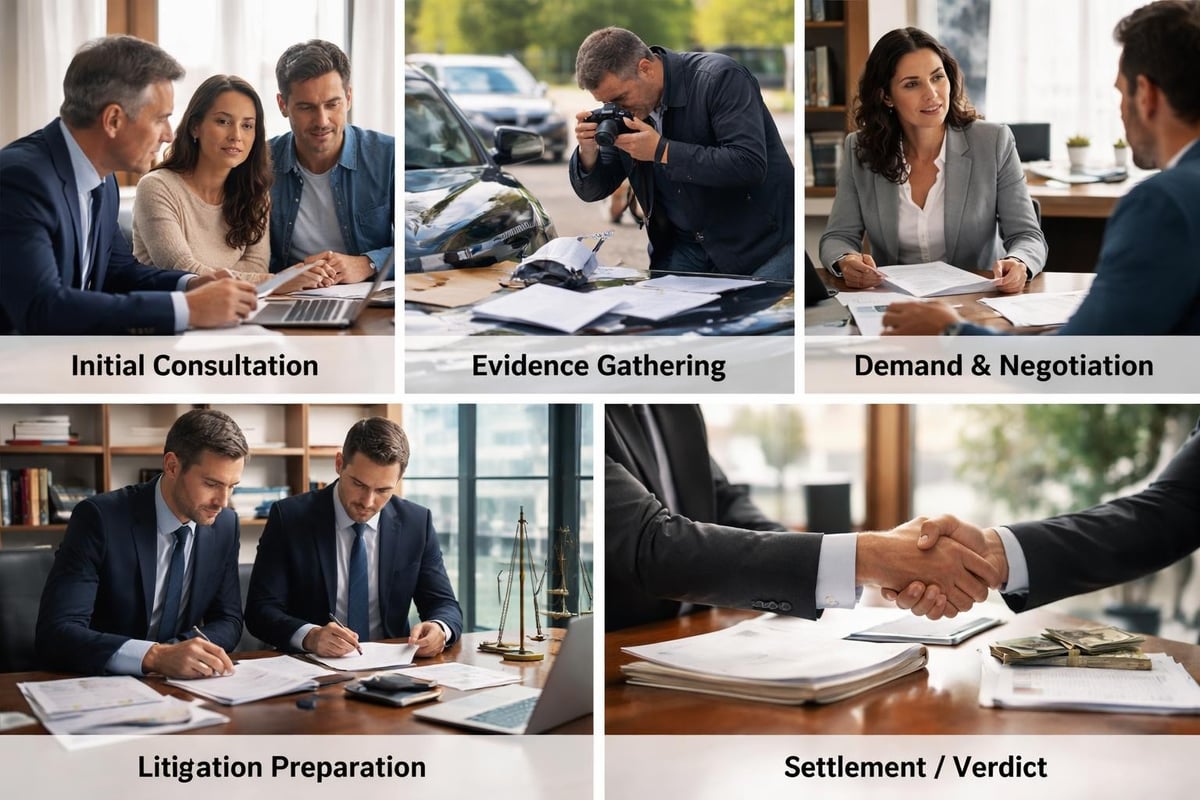
Beyond these technical duties, personal lawyers serve as counselors who help you make informed decisions at every stage. Understanding what personal injury lawyers do reveals the depth of their commitment to client welfare, from initial consultation through final resolution.
When You Need Personal Lawyers Most
Certain situations demand immediate legal intervention to protect your rights and preserve crucial evidence. Recognizing these circumstances helps you take action before valuable time slips away or critical opportunities disappear.
Common scenarios requiring personal lawyers:
- Motor vehicle accidents involving cars, trucks, motorcycles, or pedestrians
- Workplace injuries beyond standard workers’ compensation claims
- Medical malpractice resulting from healthcare provider negligence
- Premises liability cases like slip and fall accidents or inadequate security
- Product defects causing injury or illness
- Wrongful death claims on behalf of deceased loved ones
Timing matters significantly in these situations. California’s statute of limitations typically allows two years from the injury date to file personal injury claims, but exceptions exist. Knowing when to hire legal representation after a crash can prevent costly mistakes and strengthen your case foundation.
Recognizing Red Flags That Signal You Need Help
Insurance companies often contact accident victims quickly, sometimes within hours of an incident. While they present themselves as helpful, their primary goal is minimizing payouts. Personal lawyers level the playing field by handling all communications, ensuring you don’t inadvertently harm your claim.
You should seek legal counsel immediately if insurance adjusters pressure you for recorded statements, offer quick settlements that seem low, deny liability despite clear evidence, or delay processing your claim without valid reasons. These tactics indicate the insurer recognizes their client’s fault but hopes to minimize their financial responsibility.
Selecting the Right Personal Lawyers for Your Case
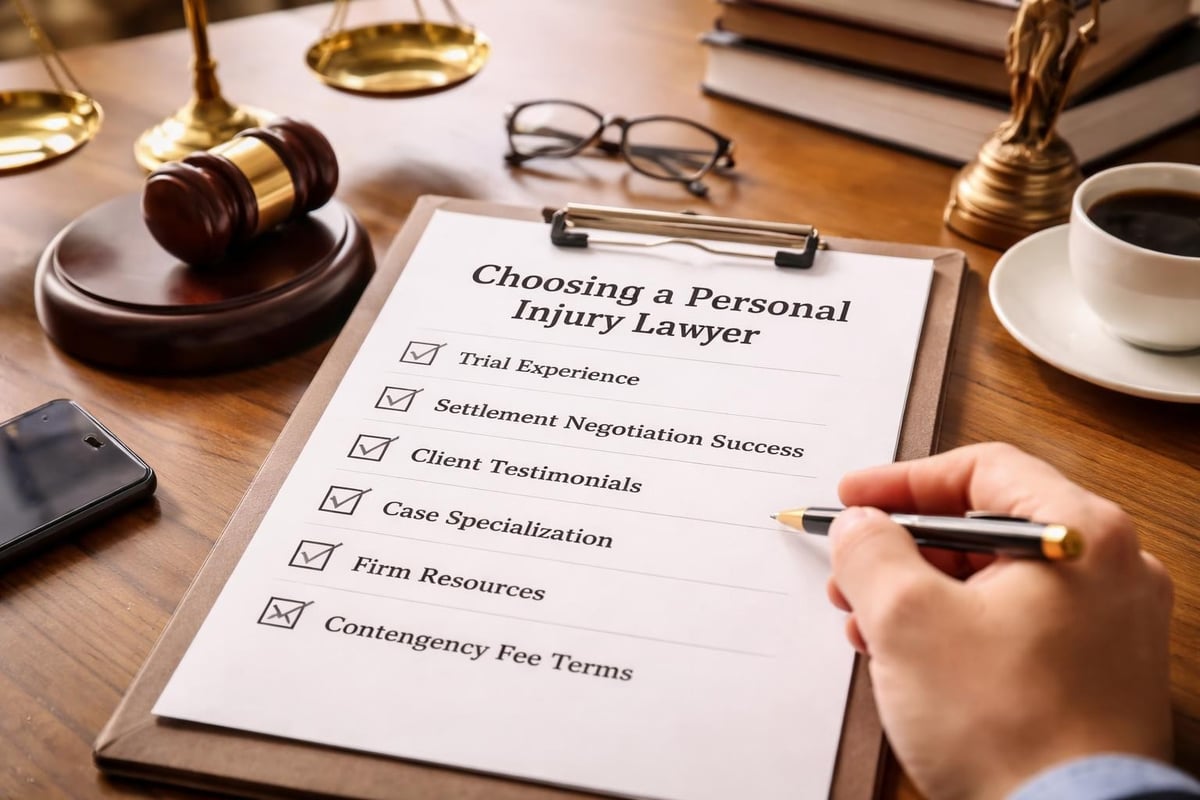
Choosing appropriate legal representation ranks among the most important decisions you’ll make following an injury. The attorney you select influences not only your compensation amount but also your overall experience throughout the legal process.
| Selection Criteria | Why It Matters | What to Look For |
|---|---|---|
| Experience Level | Seasoned attorneys anticipate challenges and navigate complexities efficiently | 10+ years handling similar cases, proven track record |
| Specialization | Focused expertise yields better outcomes than general practice | Dedicated personal injury focus, relevant case results |
| Resources | Complex cases require investigation teams, expert witnesses, financial backing | Established firm infrastructure, network of specialists |
| Communication Style | Regular updates reduce stress and keep you informed | Responsive team, clear explanations, accessibility |
| Fee Structure | Contingency arrangements align attorney interests with yours | No upfront costs, percentage only if you win |
| Reputation | Community standing reflects professionalism and results | Positive client reviews, peer recognition, bar standing |
Considerations when choosing an attorney extend beyond credentials to include personality fit and availability. You need someone who listens attentively, respects your input, and keeps you actively involved in decision-making.
Questions to Ask During Initial Consultations
Most personal lawyers offer free consultations, providing an opportunity to assess compatibility without financial commitment. Prepare specific questions that reveal how they’d handle your case and what results you might expect.
Ask about their experience with cases similar to yours, including specific verdicts and settlements. Inquire about their approach to case preparation, typical timeline expectations, and how they handle communication. Understanding the process of bringing a personal injury claim helps you evaluate whether their explanation aligns with standard procedures.
Don’t hesitate to ask about potential challenges in your case. Honest attorneys acknowledge obstacles while explaining strategies to overcome them. This transparency builds trust and sets realistic expectations from the outset.
How Personal Lawyers Build Strong Cases
Success in personal injury claims requires meticulous preparation and strategic thinking. Personal lawyers employ systematic approaches to gather evidence, establish liability, and quantify damages comprehensively.
The investigation phase begins immediately after you retain counsel. Attorneys send preservation letters to relevant parties, preventing destruction of surveillance footage, maintenance records, or other crucial evidence. They work with accident reconstruction experts, medical professionals, and economists to build a complete picture of how the incident occurred and its full impact on your life.
Evidence Collection and Case Development
Strong cases rest on solid evidentiary foundations. Personal lawyers obtain police reports, medical records, employment documentation, and witness statements. They photograph accident scenes, document property damage, and preserve physical evidence that supports your claims.
Medical documentation requires particular attention. Attorneys ensure you receive appropriate treatment while carefully documenting all injuries, treatments, and prognoses. This documentation establishes causation between the accident and your injuries while supporting future medical expense claims.
Critical evidence categories:
- Official accident reports and investigative findings
- Photographic and video documentation of scenes and injuries
- Medical records, bills, and expert medical opinions
- Employment records showing lost wages and earning capacity
- Witness statements corroborating your version of events
- Expert testimony on liability, causation, and damages
Personal lawyers also gather evidence of non-economic damages like pain, suffering, and loss of life enjoyment. They document how injuries affect daily activities, relationships, and overall quality of life through journals, testimony from family members, and psychological evaluations.
The Negotiation Process With Personal Lawyers
Most personal injury cases settle before trial through negotiation. Personal lawyers leverage their knowledge, experience, and preparation to secure favorable settlements without the uncertainty and expense of courtroom battles.
The process typically begins with a detailed demand letter outlining liability, damages, and compensation sought. This document presents your case persuasively while demonstrating your attorney’s readiness to proceed to trial if necessary. Insurance adjusters respond with counteroffers, initiating back-and-forth negotiations.
| Negotiation Phase | Attorney Actions | Timeline |
|---|---|---|
| Initial Demand | Comprehensive demand letter with evidence package | After maximum medical improvement |
| Counteroffer | Evaluation of insurer’s response, strategic planning | 2-4 weeks after demand |
| Negotiation Rounds | Multiple offers and counteroffers with justifications | 4-8 weeks typically |
| Final Settlement | Agreement documentation, release preparation | Upon mutual acceptance |
| Mediation | Neutral third-party facilitation if needed | If direct negotiation stalls |
Experienced personal lawyers know when to accept reasonable offers and when to push for more. They compare settlement offers against potential trial outcomes, considering factors like jury verdict trends in your jurisdiction, strength of evidence, and client needs.
When Cases Proceed to Trial
If negotiations fail to produce fair compensation, personal lawyers represent clients in court, presenting evidence, examining witnesses, and arguing before judges and juries. Trial preparation requires additional time and resources but sometimes proves necessary to achieve justice.
Your attorney prepares you for deposition and trial testimony, ensuring you understand courtroom procedures and present your case effectively. They develop opening statements, prepare exhibits, line up expert witnesses, and craft closing arguments that resonate with jurors.
Understanding Fee Structures and Costs
Financial concerns shouldn’t prevent injured individuals from accessing quality legal representation. Personal lawyers typically work on contingency fee arrangements, meaning they receive payment only if they secure compensation on your behalf.
Standard contingency fees range from 33% to 40% of the total recovery, with percentages varying based on case complexity and whether litigation becomes necessary. This structure aligns attorney incentives with client outcomes-your lawyer succeeds only when you do.
Typical fee breakdown:
- 33.33% for cases settled before filing lawsuit
- 40% for cases requiring litigation and trial
- Additional costs for expert witnesses, court filing fees, and investigation expenses
Most agreements specify that costs are deducted from the gross recovery before calculating attorney fees, though some attorneys advance costs and deduct them afterward. Understanding personal injury law firm fee structures ensures you know exactly what to expect financially throughout the process.
Free Consultations and Case Evaluations
Reputable personal lawyers offer free initial consultations, allowing you to discuss your case without financial obligation. These meetings provide opportunities to assess whether you have a viable claim and whether the attorney seems like a good fit.
Free evaluation services help injured individuals understand their legal options without upfront investment. Bring all relevant documentation to these consultations, including accident reports, medical records, insurance correspondence, and photographs.

Maximizing Your Recovery With Personal Lawyers
Achieving optimal compensation requires more than just hiring an attorney-it demands active collaboration and strategic decision-making throughout the process. Personal lawyers provide guidance, but your actions significantly impact case outcomes.
Follow medical advice diligently, attending all appointments and completing prescribed treatments. Gaps in treatment give insurance companies ammunition to argue your injuries weren’t serious. Document everything related to your injuries, including pain levels, activity limitations, and emotional impacts.
Common Mistakes That Reduce Settlement Values
Even with skilled representation, clients sometimes make errors that diminish case value. Posting on social media about activities or trips provides insurers with evidence to contradict injury claims. Accepting initial settlement offers without attorney review often results in inadequate compensation that doesn’t cover future medical needs.
Waiting too long to seek legal help can also prove detrimental. Evidence disappears, witnesses forget details, and statutes of limitation run. Selecting qualified legal representation early preserves your rights and strengthens your case foundation.
The Attorney-Client Relationship in Personal Injury Cases
Success in personal injury matters depends heavily on the working relationship between clients and their personal lawyers. This partnership functions best when built on mutual trust, open communication, and shared commitment to achieving justice.
Lawyers have fundamental responsibilities to their clients, including maintaining confidentiality, avoiding conflicts of interest, and providing competent representation. They must keep you reasonably informed about case developments and explain matters sufficiently for you to make informed decisions.
Your responsibilities as a client include:
- Providing complete, honest information about the accident and injuries
- Following medical advice and attending treatment appointments
- Responding promptly to attorney requests for information
- Avoiding social media posts that could harm your case
- Refraining from discussing the case with others
- Being available for depositions, mediation, and trial preparation
This collaborative approach ensures personal lawyers have everything needed to build the strongest possible case while keeping you informed and empowered throughout the process.
Communication Expectations and Case Updates
Different law firms maintain varying communication protocols. Some provide weekly updates, while others contact clients only when significant developments occur. Discuss expectations during your initial consultation to ensure compatibility with your preferences.
Quality personal lawyers balance keeping you informed without overwhelming you with minutiae. They explain legal concepts in plain language, ensuring you understand your options and the implications of various decisions. Working with top-rated attorneys typically means having access to support staff who can answer questions between major case milestones.
Specialized Areas Within Personal Injury Practice
While all personal lawyers share common goals, many develop expertise in specific accident types or injury categories. This specialization allows them to understand unique nuances, regulations, and challenges associated with particular case types.
Motor vehicle accidents constitute the largest category, encompassing everything from minor fender-benders to catastrophic collisions. Attorneys specializing in this area understand traffic laws, vehicle safety standards, insurance policy intricacies, and accident reconstruction principles.
| Practice Area | Key Considerations | Typical Challenges |
|---|---|---|
| Car Accidents | Multiple parties, insurance complexities | Comparative negligence, policy limits |
| Motorcycle Crashes | Bias against riders, severe injuries | Overcoming stereotypes, catastrophic damages |
| Truck Accidents | Federal regulations, corporate defendants | Complex liability, multiple insurance policies |
| Pedestrian Incidents | Vulnerable victim status, clear liability | Serious injuries, long-term disability |
| Premises Liability | Property owner duties, notice requirements | Proving knowledge of hazards |
| Medical Malpractice | Standard of care issues, expert testimony | High burden of proof, damage caps |
Choosing specialized representation for unique accident types ensures your attorney understands relevant regulations, common defense tactics, and effective strategies for your specific situation.
Geographic Considerations in Legal Representation
Local knowledge matters in personal injury practice. Personal lawyers familiar with your jurisdiction understand local court procedures, judge preferences, and jury verdict trends. This insight proves invaluable when evaluating settlement offers and preparing trial strategies.
California personal injury law includes unique provisions like comparative negligence rules and specific statutes of limitation. Attorneys practicing in Los Angeles understand local traffic patterns, common accident locations, and regional insurance company tactics. Finding qualified local representation provides advantages that out-of-area attorneys cannot match.
Preparing for Life After Your Personal Injury Case
While compensation helps address financial losses, personal lawyers recognize that money cannot fully restore what injuries take away. Their role extends beyond securing settlements to helping clients plan for futures altered by accidents.
Structured settlements provide long-term financial security for catastrophic injury victims, delivering periodic payments rather than lump sums. Personal lawyers work with financial planners to create arrangements that protect settlement funds while ensuring ongoing medical needs are met.
Post-settlement considerations include:
- Tax implications of personal injury awards
- Medicare and Medicaid liens requiring resolution
- Future medical expense planning and reserves
- Trust establishment for minors or incapacitated individuals
- Coordination with disability benefits and other assistance programs
Experienced personal lawyers anticipate these issues, addressing them proactively to prevent complications after case resolution. They connect clients with appropriate professionals who can help manage settlements wisely and maximize long-term benefits.
Understanding Settlement Timelines and Expectations
Personal injury cases vary dramatically in duration. Simple cases with clear liability and modest damages might resolve within months, while complex litigation involving multiple parties and severe injuries can extend years. Average settlement values and timelines depend heavily on case-specific factors.
Personal lawyers balance the desire for quick resolution against the need to fully understand injury impacts. Settling before reaching maximum medical improvement risks leaving compensation on the table if conditions worsen or require additional treatment. Patient, strategic approaches typically yield better outcomes than rushed settlements motivated by immediate financial pressure.
Having personal lawyers who understand your unique circumstances and fight tirelessly for your rights makes all the difference when recovering from injuries caused by another’s negligence. The right legal representation transforms overwhelming legal processes into manageable journeys toward justice and fair compensation. If you’ve been injured in Los Angeles or surrounding areas, Steven M Sweat, Personal Injury Lawyers, APC offers experienced, compassionate representation dedicated to maximizing your recovery while you focus on healing.