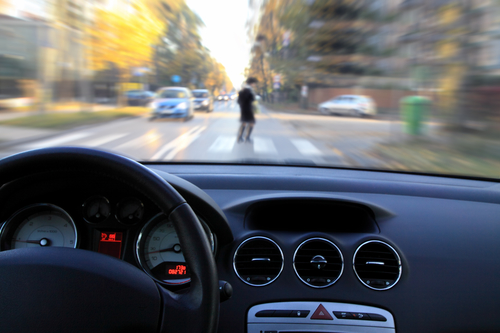
A man at a pedestrian crossing
The golden state of California is known for its beautiful weather, sprawling coastlines, and vibrant urban centers. However, this beauty often masks a sobering reality: California is one of the most dangerous states in the nation for pedestrians. Every year, thousands of individuals are struck by motor vehicles while walking, jogging, or simply crossing the street. The aftermath of such an event is often catastrophic, leaving victims with life-altering injuries, mounting medical debt, and a complex legal path ahead. Understanding how to navigate the legal system to secure fair compensation is not just a matter of financial recovery; it is a critical step toward rebuilding a life that has been unexpectedly upended.
Filing a pedestrian accident claim in California requires a nuanced understanding of state-specific laws, insurance regulations, and the judicial process. From the initial moments following a collision to the final resolution of a settlement or trial, every decision made can significantly impact the outcome of a case. This guide is designed to provide a thorough roadmap for victims and their families, detailing the essential steps, legal principles, and strategic considerations necessary to pursue justice. For those seeking immediate professional assistance, consulting with an experienced legal team like the one at Victims Lawyer can provide the expertise needed to handle these high-stakes claims.
The Current State of Pedestrian Safety in California
To understand the importance of filing a claim, one must first recognize the scale of the issue within the state. According to data from the California Office of Traffic Safety (OTS) and the University of California, Berkeley’s SafeTREC (Transportation Research and Education Center) , pedestrian fatalities have remained a persistent and growing concern. In 2023 alone, California recorded approximately 1,106 pedestrian deaths, accounting for nearly 25% of all traffic-related fatalities in the state . This rate is significantly higher than the national average, highlighting a critical public safety crisis on California’s roadways.
|
Year
|
Pedestrian Fatalities in California
|
Percentage of Total Traffic Deaths
|
|
2021
|
1,108
|
26.1%
|
|
2022
|
1,213
|
27.5%
|
|
2023
|
1,106
|
25.0%
|
|
2024 (Est.)
|
1,050
|
24.5%
|
The statistics reveal that urban environments, such as Los Angeles, San Diego, and San Francisco, are hotspots for these incidents. Factors such as high population density, complex intersection designs, and a high volume of distracted drivers contribute to these numbers. Furthermore, the OTS reports that nearly 15,000 pedestrians are injured annually in traffic crashes across the state. These injuries range from minor lacerations to traumatic brain injuries (TBI) and spinal cord damage, often requiring years of rehabilitation and specialized care.
The financial burden of these accidents is equally staggering. The National Safety Council estimates that the comprehensive cost of a single fatal motor vehicle accident can exceed $1.7 million, while non-fatal disabling injuries can cost over $100,000 in medical expenses and lost productivity . For a pedestrian victim, these costs are rarely manageable without a successful legal claim. By pursuing a claim, victims are not only seeking personal relief but are also holding negligent parties accountable, which serves as a deterrent and promotes safer driving practices across the state.
“Pedestrian safety is a shared responsibility, but when a driver fails in their duty of care, the legal system provides a vital mechanism for victims to seek redress and ensure their future is protected.” — Victims Lawyer
In the following sections, we will delve into the specific California Vehicle Code sections that govern these interactions, the process of establishing liability, and the step-by-step actions required to file a successful claim. Whether you were struck in a marked crosswalk or while crossing a rural road, the laws of California offer protections that every resident and visitor should understand.
Key California Vehicle Code (CVC) Sections for Pedestrians
The foundation of any pedestrian accident claim in California is the California Vehicle Code (CVC). These statutes define the rights and responsibilities of both drivers and pedestrians. In a legal claim, a violation of these codes by a driver often serves as powerful evidence of negligence. Conversely, a pedestrian’s failure to adhere to these rules may be used by insurance companies to argue for a reduction in the victim’s compensation. Understanding these specific sections is essential for anyone involved in a pedestrian-related incident.
CVC 21950: Right-of-Way at Crosswalks
Perhaps the most frequently cited statute in pedestrian litigation is CVC 21950. This section explicitly states that the driver of a vehicle shall yield the right-of-way to a pedestrian crossing the roadway within any marked crosswalk or within any unmarked crosswalk at an intersection. An “unmarked crosswalk” exists at any intersection where sidewalks on opposite sides of the street meet, even if no white lines are painted on the pavement.
However, CVC 21950 also places a duty of care on the pedestrian. It stipulates that no pedestrian may suddenly leave a curb or other place of safety and walk or run into the path of a vehicle that is so close as to constitute an immediate hazard. Furthermore, pedestrians are prohibited from unnecessarily stopping or delaying traffic while in a marked or unmarked crosswalk. This “shared responsibility” clause is often a point of contention in insurance negotiations, as adjusters may claim the pedestrian “darted out” into traffic.
CVC 21954: Pedestrians Outside Crosswalks
When a pedestrian crosses a road at a point other than within a marked or unmarked crosswalk, CVC 21954 applies. This section requires the pedestrian to yield the right-of-way to all vehicles upon the roadway that are so near as to constitute an immediate hazard. Many people mistakenly believe that “jaywalking” (crossing outside a crosswalk) automatically bars a victim from recovering damages. This is not true.
Crucially, CVC 21954(b) states: “The provisions of this section shall not relieve the driver of a vehicle from the duty to exercise due care for the safety of any pedestrian upon a roadway.” This means that even if a pedestrian is crossing where they shouldn’t, a driver must still take all reasonable actions to avoid hitting them. If a driver was speeding, distracted, or failed to brake when they had the opportunity, they can still be held liable for the accident.
CVC 21955: The “Jaywalking” Rule and AB 2147
Historically, CVC 21955 prohibited pedestrians from crossing the roadway between adjacent intersections controlled by traffic control signal devices or by police officers, except in a crosswalk. This was the basis for most jaywalking citations in California. However, the legal landscape shifted significantly on January 1, 2023, with the implementation of Assembly Bill 2147, also known as the “Freedom to Walk Act.”
Under this new law, police officers can no longer stop or cite a pedestrian for jaywalking unless a “reasonably careful person would realize there is an immediate danger of a collision with a moving vehicle.” This change was intended to reduce unnecessary police interactions and recognize that safe mid-block crossing is often a practical necessity. From a civil litigation perspective, this means that crossing mid-block is no longer a “per se” violation of the law in many circumstances, making it harder for insurance companies to shift 100% of the blame onto the pedestrian.
CVC 21952: Right-of-Way on Sidewalks
Pedestrians have the highest level of protection when they are on a sidewalk. CVC 21952 requires the driver of any motor vehicle, prior to driving over or upon any sidewalk, to yield the right-of-way to any pedestrian approaching thereon. This commonly applies to drivers entering or exiting driveways, parking lots, or alleys. Accidents in these areas are almost always the fault of the driver, as the pedestrian has a reasonable expectation of safety on a designated walking path.
CVC 21956: Walking on the Roadway
In areas where there are no sidewalks, CVC 21956 dictates how a pedestrian should proceed. The law requires pedestrians to walk on the left-hand side of the roadway, facing traffic. This allows the pedestrian to see oncoming vehicles and take evasive action if necessary. Walking with one’s back to traffic in an area without sidewalks is considered a violation of the vehicle code and can be used as evidence of comparative negligence if an accident occurs.
Establishing Liability and Fault in California
California operates under a “Pure Comparative Negligence” system. This is a critical concept for any pedestrian accident victim to understand. In many states, if a victim is found to be 50% or 51% at fault, they are barred from recovering any compensation. In California, however, a victim can recover damages even if they are 99% at fault for the accident. Their total recovery is simply reduced by their percentage of fault.
|
Scenario
|
Total Damages
|
Victim’s Fault %
|
Final Recovery
|
|
Driver 100% at fault
|
$100,000
|
0%
|
$100,000
|
|
Pedestrian jaywalked, Driver sped
|
$100,000
|
30%
|
$70,000
|
|
Pedestrian ran into traffic, Driver drunk
|
$100,000
|
60%
|
$40,000
|
The Four Elements of Negligence
To successfully file a claim, your legal team must prove that the driver was negligent. This involves establishing four key elements:
1.Duty of Care: Every driver in California has a legal obligation to operate their vehicle with reasonable care to avoid harming others. This includes maintaining a lookout for pedestrians, obeying speed limits, and following traffic signals.
2.Breach of Duty: You must show that the driver failed to meet this standard. Examples include texting while driving, failing to yield at a crosswalk, or driving under the influence.
3.Causation: There must be a direct link between the driver’s breach of duty and the accident. For instance, if the driver hadn’t been speeding, they would have been able to stop in time to avoid hitting you.
4.Damages: Finally, you must prove that you suffered actual harm, such as physical injuries, medical expenses, or lost wages.
Negligence Per Se
In many pedestrian accident cases, the doctrine of “Negligence Per Se” simplifies the process of proving liability. Under this doctrine, if a driver violates a statute (like a section of the CVC) and that violation causes an injury the statute was designed to prevent, the driver is presumed to be negligent. For example, if a driver strikes a pedestrian in a marked crosswalk, they have violated CVC 21950. Because that code was specifically written to protect pedestrians in crosswalks, the driver is considered negligent as a matter of law, shifting the burden to them to prove otherwise.
Establishing fault is rarely straightforward. Insurance companies employ teams of investigators and adjusters whose primary goal is to find ways to blame the pedestrian. They may look at your cell phone records to see if you were distracted, check for the presence of alcohol in your system, or use “accident reconstruction” experts to argue that you were moving too fast for the driver to react. This is why having a dedicated advocate from Victims Lawyer is essential to protect your rights and ensure that fault is accurately apportioned.
Common Causes of Pedestrian Accidents in California
Understanding the common causes of these accidents is not just about statistics; it is about identifying the specific negligent behaviors that lead to legal liability. In California, several recurring factors contribute to the high rate of pedestrian-vehicle collisions.
Distracted Driving
In the modern era, distracted driving has overtaken almost every other cause of accidents. Despite California’s strict hands-free laws, many drivers continue to use their smartphones for texting, social media, or navigation while behind the wheel. A driver traveling at 40 mph who looks down at their phone for just five seconds will travel the length of a football field without looking at the road. For a pedestrian, this lack of attention is often fatal. Distraction also includes “in-vehicle” distractions, such as adjusting the radio, using a touchscreen infotainment system, or interacting with passengers.
Speeding and Survival Rates
Speed is a critical factor in the severity of pedestrian accidents. The physics of a collision between a 4,000-pound vehicle and a human body are unforgiving. According to the AAA Foundation for Traffic Safety , the risk of severe injury or death for a pedestrian increases exponentially with the speed of the vehicle.
•At 23 mph, the risk of death is 10%.
•At 32 mph, the risk of death is 25%.
•At 42 mph, the risk of death is 50%.
•At 58 mph, the risk of death is 90%.
In many California urban areas, speed limits are set at 35-45 mph, which is already within the “high fatality” range. When drivers exceed these limits, they significantly reduce their reaction time and increase the force of impact, often leading to catastrophic results.
Failure to Yield at Intersections
Intersections are the most common site for pedestrian accidents. These collisions often occur during “left-turn” maneuvers, where a driver is focused on finding a gap in oncoming traffic and fails to notice a pedestrian crossing in the crosswalk to their left. Similarly, “right-turn-on-red” accidents occur when a driver looks left for traffic and begins to turn right without checking for pedestrians entering the crosswalk from the right.
Driving Under the Influence (DUI)
Alcohol and drugs remain a leading cause of fatal pedestrian accidents in California. Impairment slows a driver’s reaction time, blurs vision, and impairs judgment. Interestingly, statistics also show that a significant percentage of pedestrians involved in fatal accidents are also under the influence. While this does not excuse a driver’s negligence, it is a factor that insurance companies will use to argue for comparative fault.
Immediate Steps to Take After a Pedestrian Accident
The actions you take in the minutes and hours following an accident can have a profound impact on your ability to recover compensation later. While it is difficult to think clearly after a traumatic event, following these steps is crucial.
1. Prioritize Safety and Medical Care
Your health is the absolute priority. If you are able, move out of the roadway to a safe location. Call 911 immediately. Even if you feel “fine” or believe your injuries are minor, you must be evaluated by a medical professional. Adrenaline often masks the pain of serious injuries like internal bleeding, organ damage, or concussions. Furthermore, a gap in medical treatment is one of the most common reasons insurance companies deny claims, as they will argue that your injuries were either not serious or were caused by a different event.
2. Contact Law Enforcement
Always report the accident to the police. A police officer will arrive at the scene, interview witnesses, examine the vehicles, and create an official accident report. This report is a foundational piece of evidence in your claim. It will contain the officer’s initial assessment of fault, the contact information for all parties involved, and details about the weather and road conditions. Ensure you get the officer’s name and the incident report number.
3. Gather Evidence at the Scene
If your injuries allow, or if you have a companion with you, collect as much evidence as possible:
•Photos and Videos: Take pictures of the vehicle that hit you, the license plate, the surrounding intersection, any skid marks on the road, and your own visible injuries.
•Witness Information: Get the names and phone numbers of anyone who saw the accident. Independent witness testimony is incredibly valuable, as they have no financial stake in the outcome of the case.
•Driver Information: Exchange insurance and contact information with the driver, but keep the conversation brief.
4. Avoid Making Statements
Be extremely careful about what you say at the scene. Do not apologize or say things like “I didn’t see you” or “I’m sorry, I was in a rush.” These statements can be interpreted as admissions of fault. When speaking to the police, stick to the facts: where you were, what direction you were walking, and what happened. Do not speculate. Most importantly, do not speak to the driver’s insurance company without consulting a lawyer first. Adjusters are trained to elicit statements that can be used to devalue your claim.
The Step-by-Step Process of Filing a Claim
Filing a pedestrian accident claim is a multi-stage process that can take anywhere from a few months to several years, depending on the complexity of the case and the severity of the injuries.
Phase 1: The Investigation
Once you retain a lawyer from Victims Lawyer, they will begin a thorough investigation. This goes far beyond the police report. It may involve:
•Subpoenaing cell phone records to prove distracted driving.
•Obtaining surveillance footage from nearby businesses or “Ring” doorbells.
•Hiring accident reconstruction experts to determine vehicle speed and impact angles.
•Reviewing the driver’s driving history and vehicle maintenance records.
Phase 2: Reaching Maximum Medical Improvement (MMI)
In most cases, you should not settle your claim until you have reached Maximum Medical Improvement (MMI). This is the point at which your condition has stabilized, and no further significant improvement is expected. Settling too early is a major mistake, as you cannot go back for more money if you later discover you need surgery or long-term physical therapy. Your lawyer will work with your doctors to understand the full scope of your future medical needs.
Phase 3: The Demand Letter and Negotiation
Once the full extent of your damages is known, your lawyer will send a “Demand Letter” to the at-fault party’s insurance company. This document outlines the facts of the case, the evidence of the driver’s liability, and a detailed breakdown of your medical bills, lost wages, and pain and suffering. It concludes with a demand for a specific settlement amount.
The insurance company will respond with an offer, which is usually much lower than the demand. This begins the negotiation phase. A skilled attorney knows how to counter these lowball offers by highlighting the strength of the evidence and the severity of the victim’s suffering.
Phase 4: Litigation and Trial
If the insurance company refuses to offer a fair settlement, the next step is to file a formal lawsuit in a California civil court. This moves the case into the Discovery phase, where both sides exchange evidence and take depositions (sworn testimony) from witnesses and experts. Many cases settle during this phase as the “trial date” approaches and the insurance company realizes the risk of a large jury verdict. If no settlement is reached, the case will proceed to a trial, where a jury will determine fault and award damages.
Types of Damages Recoverable in a Pedestrian Accident Claim
In California, “damages” refer to the monetary compensation awarded to a victim to make them “whole” again after an accident. These are generally categorized into economic and non-economic damages.
Economic Damages (Special Damages)
Economic damages are the tangible, out-of-pocket financial losses that can be calculated with precision using receipts, invoices, and pay stubs.
1.Medical Expenses: This includes everything from the initial ambulance ride and ER visit to surgeries, hospital stays, prescription medications, and medical devices (like wheelchairs or crutches). Crucially, it also includes future medical expenses. If your injury requires ongoing physical therapy or future surgeries, these costs must be estimated and included in your claim.
2.Lost Wages: If your injuries prevented you from working, you are entitled to the income you lost during that time. This includes not just your base salary, but also bonuses, commissions, and even used vacation or sick time.
3.Loss of Earning Capacity: For catastrophic injuries that result in permanent disability, you may be unable to return to your previous profession or work at all. Loss of earning capacity compensates you for the difference between what you would have earned over your lifetime and what you are now capable of earning.
4.Property Damage: While less common in pedestrian cases, this covers the cost of repairing or replacing personal items damaged in the crash, such as expensive electronics (smartphones, laptops), jewelry, or high-end clothing.
Non-Economic Damages (General Damages)
Non-economic damages are subjective and compensate for the intangible impact the accident has had on your quality of life. Because there is no “receipt” for pain, these are often the most contested part of a claim.
1.Pain and Suffering: This covers the physical pain and discomfort caused by the injuries. California courts use various methods, such as the “multiplier method” (multiplying economic damages by a factor of 1.5 to 5) or the “per diem” method (assigning a daily dollar value to the pain), to calculate this.
2.Emotional Distress: Pedestrian accidents are often violent and traumatic. Victims may suffer from anxiety, depression, insomnia, or Post-Traumatic Stress Disorder (PTSD).
3.Loss of Enjoyment of Life: If your injuries prevent you from engaging in hobbies, sports, or activities you once loved, you can seek compensation for this loss.
4.Loss of Consortium: This is a claim made by the spouse or registered domestic partner of the victim for the loss of companionship, affection, and intimacy resulting from the injuries.
Punitive Damages
In rare cases where the driver’s conduct was particularly egregious—such as a high-speed hit-and-run or driving with a blood-alcohol level three times the legal limit—the court may award punitive damages. Unlike other damages, these are not meant to compensate the victim but rather to punish the defendant and deter others from similar behavior.
Statute of Limitations and Critical Deadlines
One of the most important aspects of filing a claim is ensuring you do not miss the legal deadlines. In California, the Statute of Limitations for personal injury claims is generally two years from the date of the accident. If you fail to file a lawsuit within this window, you lose your right to seek compensation forever.
However, there are several critical exceptions to this rule:
Claims Against Government Entities
If your accident was caused by a government vehicle (such as a city bus or a police car) or by a dangerous road condition (like a malfunctioning traffic light or a poorly designed intersection), you must follow the California Tort Claims Act. This requires you to file a formal administrative claim with the responsible government agency within six months of the accident. If the agency denies your claim (which they often do), you then have a limited window to file a lawsuit.
Minors
If the victim was a minor (under the age of 18) at the time of the accident, the statute of limitations is usually “tolled” or paused until they turn 18. They then have two years from their 18th birthday to file a claim. However, it is always better to file as soon as possible while evidence is fresh.
Delayed Discovery
In very rare cases where an injury was not immediately apparent and could not have been discovered through reasonable diligence, the statute of limitations may be extended. This is rarely applicable in pedestrian accidents, where the trauma is usually immediate.
Dealing with Insurance Companies: What You Need to Know
Insurance companies are for-profit corporations. Their primary goal is to pay out as little as possible on every claim. To achieve this, they employ several common tactics that every victim should be aware of.
The “Quick Settlement” Offer
Shortly after the accident, an insurance adjuster may contact you with a settlement offer. They may sound friendly and concerned, telling you they want to “take care of your bills” quickly. Do not accept this offer. These early offers are almost always “lowball” amounts that do not account for the full extent of your injuries or future medical needs. Once you sign a release, you can never ask for more money.
Shifting the Blame
As discussed earlier, California’s comparative negligence law means that if the insurance company can prove you were even 10% at fault, they save 10% on the payout. They will look for any reason to blame you—jaywalking, wearing dark clothing at night, looking at your phone, or “darting” into the street. They may even record your phone conversations and twist your words to make it sound like you admitted fault.
Delaying the Process
Insurance companies know that injured victims are often under immense financial pressure. By delaying the investigation or the negotiation process, they hope you will become desperate enough to accept a lower settlement just to get the money you need to survive.
This is why it is vital to have a firm like Victims Lawyer handling all communications with the insurance company. When an insurer knows you have experienced legal representation, they are much less likely to engage in these bad-faith tactics.
Special Considerations in California Pedestrian Claims
Not every pedestrian accident follows a standard pattern. Certain circumstances introduce additional legal complexities that require specialized knowledge.
Hit and Run Accidents
California has one of the highest rates of hit-and-run accidents in the country. If the driver who hit you fled the scene, you may feel like you have no recourse. However, you may still be able to recover compensation through your own auto insurance policy if you have Uninsured Motorist (UM) coverage. UM coverage is designed to step into the shoes of the at-fault driver. Even though you were a pedestrian, your own auto policy’s UM coverage typically applies. If you do not have UM coverage, your lawyer may investigate other avenues, such as searching for surveillance footage to identify the vehicle or checking for “John Doe” liability.
Accidents Involving Children
Children are particularly vulnerable to pedestrian accidents due to their small size and unpredictable behavior. California law recognizes this through the “Attractive Nuisance” doctrine and the principle that drivers must exercise “extraordinary care” when driving near schools, parks, or residential areas where children are present. Even if a child “darts” into the street, a driver may still be held liable if they were speeding in a school zone or failed to anticipate the presence of children.
Wrongful Death Claims
Tragically, many pedestrian accidents result in fatalities. In these cases, the surviving family members (spouse, children, or parents) can file a Wrongful Death lawsuit. This claim seeks compensation for the loss of financial support, funeral and burial expenses, and the loss of companionship and guidance. While no amount of money can replace a loved one, these claims are essential for ensuring the financial stability of the surviving family.
Extensive FAQ: Pedestrian Accident Claims in California
Navigating the aftermath of an accident often leads to a flurry of questions. Below are detailed answers to some of the most common concerns victims have when filing a claim in California.
1. What if I was partially at fault for the accident?
As discussed, California follows a pure comparative negligence rule. You can still recover compensation even if you were partially responsible (e.g., you were jaywalking or distracted). Your total settlement will simply be reduced by your percentage of fault. For example, if your damages are $100,000 and you are found 20% at fault, you will receive $80,000.
2. How much is my pedestrian accident claim worth?
There is no “average” settlement, as every case is unique. The value of your claim depends on several factors: the severity of your injuries, the total cost of your medical bills, the amount of lost wages, the impact on your future earning capacity, and the amount of insurance coverage available. A case involving a permanent disability will naturally be worth significantly more than one involving a broken arm.
3. Do I need a lawyer if the driver’s insurance company offered me a settlement?
Yes. Insurance companies rarely offer the full value of a claim in their initial offer. A lawyer can help you calculate the true cost of your injuries, including future expenses that you might not have considered. Furthermore, having a lawyer signals to the insurance company that you are prepared to go to trial, which often forces them to offer a much higher settlement. You can reach out to Victims Lawyer for a free consultation to evaluate any offer you’ve received.
4. What if the driver who hit me doesn’t have insurance?
If the at-fault driver is uninsured, you can file a claim under your own insurance policy’s Uninsured Motorist (UM) coverage. If you do not have UM coverage and the driver has no assets, it may be difficult to recover compensation. However, your lawyer will investigate if there are other liable parties, such as a government entity responsible for a dangerous road or the driver’s employer if they were working at the time of the crash.
5. How long will it take to get my settlement?
The timeline varies. A simple case with clear liability and minor injuries might settle in 4 to 6 months. However, cases involving serious injuries often take 12 to 24 months or longer. It is important not to rush the process; you should never settle until you have reached Maximum Medical Improvement (MMI) so that all your medical needs are accounted for.
6. Can I still file a claim if I was hit while jaywalking?
Yes. Under the “Freedom to Walk Act” (AB 2147), jaywalking is no longer a criminal offense unless it creates an immediate hazard. Even if it was unsafe to cross, the driver still has a “duty of care” to avoid hitting you. If the driver was speeding or distracted, they share the liability for the accident.
7. What should I do if the insurance adjuster asks for a recorded statement?
Politely decline. You are not legally obligated to provide a recorded statement to the at-fault driver’s insurance company. These statements are often used to trick victims into admitting fault or downplaying their injuries. Tell the adjuster that all communications should go through your attorney.
8. What if I was hit by a government vehicle, like a city bus?
Claims against government entities are subject to much stricter deadlines. You must file a formal administrative claim within six months of the accident. These cases are complex and involve specific procedural rules, so it is crucial to hire an attorney who has experience with the California Tort Claims Act.
9. What are “unmarked crosswalks”?
In California, an unmarked crosswalk exists at any intersection where the sidewalks on opposite sides of the street meet at approximately right angles. Drivers are legally required to yield to pedestrians in these unmarked crosswalks just as they would in a marked one with white lines.
10. Can I recover damages for emotional trauma?
Yes. In California, you can recover “non-economic damages” for emotional distress, anxiety, PTSD, and loss of enjoyment of life. These are common in pedestrian accidents due to the violent nature of the impact and the long road to recovery.
11. What if the accident happened on a sidewalk?
Under CVC 21952, drivers must yield to pedestrians on sidewalks. If you were hit while on a sidewalk—for example, by a car pulling out of a driveway—the driver is almost certainly 100% at fault.
12. Does my immigration status affect my ability to file a claim?
No. In California, your immigration status is irrelevant to your right to seek compensation for personal injuries. State law prohibits the disclosure of a person’s immigration status in civil personal injury cases to ensure that everyone has equal access to justice.
13. What happens if the driver was working at the time of the accident?
If the driver was “within the scope of their employment” (e.g., a delivery driver or a salesperson traveling to a meeting), their employer may be held liable under the legal doctrine of “Respondeat Superior.” This is often beneficial for the victim, as companies typically carry much higher insurance policy limits than individual drivers.
14. Should I see a doctor even if I don’t feel hurt?
Absolutely. Many serious injuries, such as internal organ damage or traumatic brain injuries, do not show symptoms immediately. Seeing a doctor right away ensures your health is protected and creates a medical record that links your injuries directly to the accident.
15. How much does it cost to hire a pedestrian accident lawyer?
Most personal injury lawyers, including those at Victims Lawyer, work on a contingency fee basis. This means you pay nothing upfront. The lawyer only gets paid if they successfully recover money for you, taking a percentage of the final settlement or verdict. If you don’t win, you don’t owe any attorney fees.
16. What if the weather was bad or it was dark outside?
Drivers are required to adjust their driving to the conditions. If it is raining or dark, a “reasonably prudent driver” should slow down and be more vigilant. While the insurance company may try to use poor visibility to blame you, the driver still bears the primary responsibility for maintaining control of their vehicle.
17. Can I file a claim on behalf of a family member who was killed?
Yes, this is known as a wrongful death claim. California law allows the deceased’s spouse, domestic partner, children, or other heirs to seek compensation for their losses.
18. What is “Negligence Per Se”?
This is a legal doctrine where a driver is presumed negligent because they violated a safety law (like the California Vehicle Code). If a driver is cited for failing to yield to a pedestrian in a crosswalk, it is much easier to prove their liability in a civil claim.
19. Can I still recover money if I don’t have a car or auto insurance?
Yes. Your right to recover damages as a pedestrian is not dependent on you owning a car or having your own insurance. You file the claim against the at-fault driver’s insurance policy.
20. Why should I choose Victims Lawyer for my claim?
The team at Victims Lawyer specializes in representing those who have been harmed by the negligence of others. With a deep understanding of California’s complex pedestrian laws and a track record of taking on major insurance companies, they provide the aggressive advocacy needed to secure the maximum compensation possible.
Conclusion
Filing a pedestrian accident claim in California is a journey that requires patience, persistence, and professional guidance. The laws of the state are designed to protect victims, but the process of extracting fair compensation from insurance companies is intentionally difficult. By understanding your rights under the California Vehicle Code, documenting evidence meticulously, and seeking the help of experienced legal counsel, you can level the playing field.
Remember, you do not have to face this challenge alone. Whether you are dealing with mounting medical bills, the inability to work, or the emotional aftermath of a collision, there are resources available to help you. Taking the first step by consulting with a professional at Victims Lawyer can be the most important decision you make for your future recovery. Stay informed, stay vigilant, and ensure that your voice is heard in the pursuit of justice.
References
 California Accident Attorneys Blog