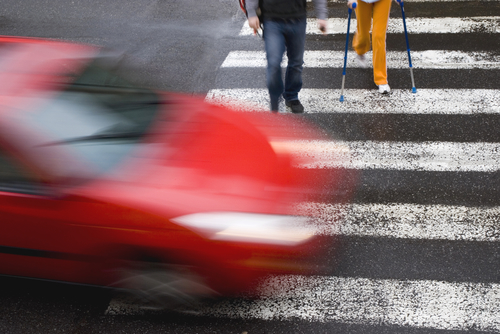
While the internet is filled with articles promising a simple “average settlement” figure, the reality is far more complex. There is no one-size-fits-all answer or magic calculator that can precisely determine the value of a pedestrian accident claim. Each case is a unique tapestry woven from intricate details, including the severity of the injuries, the specific circumstances of the accident, and the long-term impact on the victim’s life. A case involving minor scrapes and bruises will resolve for a vastly different amount than one resulting in a traumatic brain injury or wrongful death.
This blog post aims to provide a comprehensive, data-driven analysis of pedestrian accident compensation in California. We will move beyond simplistic averages to explore the legal principles that govern these claims, examine the different types of damages you can recover, and analyze real-world jury verdict statistics to provide a realistic framework for understanding what a claim may be worth. Our goal is to empower you with in-depth knowledge, demystify the valuation process, and offer a clearer picture of the financial recovery possible after a pedestrian accident.
The Illusion of the “Average” Settlement
Many legal marketing websites provide settlement ranges to give potential clients a general idea of case values. While these can be a starting point, they should be viewed with caution. An “average” figure can be misleading because it often lumps together vastly different outcomes—from minor injury claims settling for a few thousand dollars to catastrophic injury cases resulting in multi-million dollar verdicts. The true value of your claim is not based on an average, but on a meticulous evaluation of your specific losses.
To provide a more nuanced perspective, it is helpful to consider potential settlement ranges based on the general severity of the injuries sustained. These are broad estimations based on publicly available data and past case results, not a guarantee of a specific outcome.
|
Injury Severity
|
Typical Settlement Range (Illustrative)
|
|
Minor Injuries
|
$15,000 – $75,000
|
|
Moderate Injuries
|
$75,000 – $250,000
|
|
Severe & Catastrophic Injuries
|
$250,000 – $10,000,000+
|
•Minor Injuries typically include soft-tissue injuries like sprains, strains, contusions, and minor lacerations that heal completely with minimal medical intervention.
•Moderate Injuries may involve simple bone fractures, concussions without long-term cognitive effects, or injuries requiring more extensive treatment like physical therapy over several months.
•Severe & Catastrophic Injuries encompass life-altering harm such as traumatic brain injuries (TBI), spinal cord injuries leading to paralysis, amputations, severe burns, multiple complex fractures, or wrongful death.
As the table illustrates, the range is incredibly wide. A claim involving a traumatic brain injury requiring lifelong medical care, like the $29 million verdict in Perez v. Sunde, exists on a completely different spectrum than a claim for a sprained ankle . Therefore, understanding the components of compensation is far more valuable than chasing an elusive average.
Deconstructing Compensation: The Building Blocks of Your Claim
In California, compensation in a personal injury case, known as “damages,” is divided into two primary categories: Economic Damages and Non-Economic Damages. A third category, Punitive Damages, is available but awarded only in rare circumstances.
Economic Damages: The Tangible Financial Losses
Economic damages are the foundation of a personal injury award. They are intended to reimburse you for all the verifiable, out-of-pocket financial losses you have incurred and are reasonably certain to incur in the future as a result of the accident. These are the calculable costs with a clear paper trail.
Economic damages represent the verifiable monetary losses resulting from an injury. They are calculated by adding up all bills, receipts, and documented financial losses. Examples include medical treatment costs, lost wages, and property damage .
Key components of economic damages include:
•Past and Future Medical Expenses: This is often the largest component of economic damages. It covers everything from the initial ambulance ride and emergency room treatment to surgeries, hospital stays, prescription medications, physical and occupational therapy, diagnostic imaging (X-rays, MRIs), and necessary medical equipment like wheelchairs or crutches. Crucially, it also includes the projected cost of all future medical care required for the injury.
•Lost Wages and Loss of Earning Capacity: If your injuries prevent you from working, you are entitled to compensation for the income you have lost. Furthermore, if the injuries are permanent and prevent you from returning to your previous job or limit your ability to earn money in the future, you can claim damages for “loss of future earning capacity.” This often requires expert testimony from a vocational specialist and an economist to calculate the total value of this loss over your expected working life.
•Home Modifications and In-Home Care: Catastrophic injuries may necessitate significant modifications to a victim’s home, such as installing wheelchair ramps, widening doorways, or making bathrooms accessible. The cost of these modifications, as well as the expense of in-home nursing or attendant care, are recoverable economic damages.
•Property Damage: While usually a minor component in a pedestrian accident, this includes the cost to repair or replace any personal property damaged in the collision, such as clothing, a laptop, a phone, or glasses.
Non-Economic Damages: The Human Cost of the Injury
Non-economic damages are designed to compensate for the intangible, subjective, and profound human suffering caused by an accident. These losses do not come with a receipt, but they are just as real and often more devastating than the financial costs. California law recognizes that the impact on a person’s quality of life has significant value.
Non-economic damages compensate an accident victim for the physical and emotional distress caused by their injuries. This can include pain, suffering, inconvenience, mental suffering, emotional distress, loss of enjoyment of life, disfigurement, and loss of consortium .
Common types of non-economic damages include:
•Pain and Suffering: This compensates for the physical pain, discomfort, and general suffering endured from the moment of the accident through recovery and for the remainder of a victim’s life if the pain is chronic.
•Emotional Distress: This broad category covers the psychological impact of the accident, including fear, anxiety, depression, shock, humiliation, and conditions like Post-Traumatic Stress Disorder (PTSD).
•Loss of Enjoyment of Life: This refers to the inability to participate in or derive pleasure from activities and hobbies that were a meaningful part of your life before the injury. This could be anything from playing with your children and participating in sports to gardening or traveling.
•Disfigurement and Scarring: If the accident leaves the victim with permanent scarring, amputation, or other visible disfigurements, they are entitled to compensation for the associated humiliation, embarrassment, and emotional distress.
•Loss of Consortium: This is a claim that can be brought by the spouse or registered domestic partner of the injured victim. It seeks compensation for the loss of companionship, support, love, and intimacy that the spouse has suffered due to the victim’s injuries.
Calculating non-economic damages is inherently subjective. Attorneys and insurance companies may use a “multiplier” method, where the total economic damages are multiplied by a number (typically between 1.5 and 5) depending on the severity of the injury. However, this is just a guideline, not a rule. The ultimate determination is made by a jury, which will consider the depth and breadth of the victim’s suffering.
The Deciding Factor: Liability and California’s Pure Comparative Negligence
Before any damages can be paid, liability must be established. In most pedestrian accident cases, this means proving that the driver was negligent. Negligence occurs when a person fails to use the level of care that a reasonably prudent person would have used under the same or similar circumstances, and that failure causes harm to another.
However, liability is not always a 100-0 proposition. A pedestrian can also be found partially at fault for an accident. This is where California’s Pure Comparative Negligence rule becomes critically important. Codified in California Civil Code § 1714, this doctrine states that an injured party can recover damages even if they are partially to blame for the accident. Their total compensation will simply be reduced by their percentage of fault .
This is a significant advantage for plaintiffs in California. In some states that use a “modified” comparative negligence system, an injured person is barred from recovering any damages if they are found to be 50% or 51% or more at fault. In California, you can be 99% at fault and still recover 1% of your damages.
|
Pedestrian’s Percentage of Fault
|
Total Damages
|
Reduction Amount
|
Final Compensation Award
|
|
10%
|
$100,000
|
$10,000
|
$90,000
|
|
50%
|
$500,000
|
$250,000
|
$250,000
|
|
75%
|
$1,000,000
|
$750,000
|
$250,000
|
When is a Pedestrian at Fault?
While drivers have a significant duty of care to watch for pedestrians, pedestrians also have a duty to exercise reasonable care for their own safety. Common actions that can lead to a finding of partial fault against a pedestrian include:
•Jaywalking: Crossing the street mid-block where there is no marked crosswalk (violating CVC § 21954).
•Crossing Against a Signal: Entering a crosswalk when the pedestrian signal shows a “Don’t Walk” or flashing red hand.
•Darting into Traffic: Suddenly running into the street without giving a driver adequate time to react.
•Being Distracted: Walking while looking at a phone and not paying attention to traffic.
Even in these situations, the driver may still bear the majority of the fault, especially if they were speeding, distracted, or intoxicated. A jury will weigh the actions of both parties to assign a percentage of fault to each.
Analyzing the Data: Real California Jury Verdicts
While settlement negotiations resolve the vast majority of pedestrian accident claims, examining jury verdicts from cases that went to trial provides invaluable insight into how severe injuries are valued in a courtroom. These verdicts represent the high end of the compensation spectrum and often involve catastrophic injuries or complex liability disputes.
Here are several notable California pedestrian accident verdicts that illustrate the potential compensation in severe cases:
•$37.5 Million Verdict (Medina v. City of Fontana): In a tragic case from 2004, a San Bernardino jury awarded $37.5 million for the wrongful death of a 14-year-old girl. The case was complex, as the driver was an unlicensed minor speeding at 70 mph. However, the plaintiff’s attorney successfully argued that the City of Fontana was largely responsible because it had failed to install sidewalks, forcing students to walk in the road. The jury assigned 75% of the fault to the city. After a retrial on damages, the case ultimately concluded with a $15 million verdict in 2008, demonstrating how municipal liability can lead to substantial awards .
•$29 Million Verdict (Perez v. Sunde): In 2016, a Los Angeles jury awarded over $29 million to a 19-year-old pedestrian who suffered a traumatic brain injury after being struck by a doctor in a crosswalk. The defense argued the pedestrian was carelessly riding his skateboard. Despite a lack of independent witnesses, the plaintiff’s attorney established 100% liability against the driver, securing a verdict that would provide for the victim’s lifelong medical needs .
•$25.6 Million Verdict (Tusant v. City of Hemet): This 2020 verdict was the largest personal injury award in California for that year. A pedestrian was hit in a crosswalk, and the case was brought against the City of Hemet for a defective roadway design. This again highlights the potential for massive verdicts when a government entity’s negligence contributes to the accident .
•$20 Million Settlement (Complex Regional Pain Syndrome): This 2018 case demonstrates how an insurance company’s miscalculation can lead to a massive payout. A pedestrian’s seemingly minor injuries developed into Complex Regional Pain Syndrome (CRPS), a debilitating chronic pain condition. The driver’s insurance company, with a policy limit of only $1.5 million, refused to settle. The plaintiff’s firm leveraged this refusal, and the insurer ultimately paid $20 million to avoid an even larger potential jury verdict .
These cases, while representing the upper echelon of outcomes, underscore a critical point: when injuries are catastrophic and liability can be proven, the compensation required to provide for a lifetime of care can and does reach into the tens of millions of dollars.
Conclusion: Navigating Your Path to Fair Compensation
Determining the value of a pedestrian accident claim is a meticulous process, not a simple calculation. It requires a thorough investigation of the accident, a comprehensive accounting of all economic losses, a deep understanding of the human cost of the injuries, and a strategic application of California’s personal injury laws.
While the figures can range from thousands for minor incidents to tens of millions for catastrophic tragedies, the guiding principle remains the same: the goal of compensation is to make the victim whole again, to the fullest extent that money can. This means providing the financial resources necessary to cover all medical needs, replace lost income, and acknowledge the profound, often permanent, impact the accident has had on the victim’s life and well-being.
If you have been injured in a pedestrian accident, the most critical step you can take is to consult with an experienced California personal injury attorney. They can provide an accurate assessment of your specific case, navigate the complexities of the legal system, and advocate tirelessly to ensure you receive the full and fair compensation you are entitled to under the law.
References
The Crucial Role of Expert Witnesses in Maximizing Compensation
In cases involving significant injuries and high-value damages, the battle for fair compensation is often won through the testimony of expert witnesses. These are professionals with specialized knowledge in a particular field who can analyze complex evidence and present their findings to an insurance company or a jury in a clear and persuasive manner. Their testimony is essential for substantiating the full extent of a victim’s damages, particularly future economic and non-economic losses.
An expert witness in a personal injury claim is a professional who is called upon to provide specialized knowledge, expertise, or opinions to help a court or jury understand complex or technical aspects of a case that are beyond the experience of the average person .
Several types of expert witnesses are commonly used in California pedestrian accident cases:
•Accident Reconstruction Experts: When liability is disputed, these experts can be invaluable. They are often former law enforcement officers or engineers who visit the scene of the accident, analyze police reports, examine vehicle damage, and use physics and specialized software to recreate the accident. Their testimony can definitively establish how the accident occurred, the speed of the vehicle, and whether the driver had sufficient time to avoid the collision, which is crucial for defeating claims of comparative negligence against the pedestrian.
•Medical Experts: While the victim’s treating physicians can testify about the injuries and treatment provided, independent medical experts are often retained to offer opinions on long-term prognosis, the necessity of future medical care, and the causation of complex medical conditions. For example, a neurologist could explain the long-term cognitive and emotional effects of a traumatic brain injury, while an orthopedic surgeon could detail the likelihood of future arthritis and the need for joint replacement surgery years after a severe fracture.
•Life Care Planners: In catastrophic injury cases involving paralysis, severe brain damage, or other permanent disabilities, a life care planner is perhaps the most critical expert. These professionals, typically registered nurses or doctors with specialized training, create a comprehensive, detailed plan that outlines every aspect of the victim’s medical and personal needs for the rest of their life. The life care plan documents the costs of future surgeries, medications, therapies, in-home nursing care, medical equipment, home modifications, and transportation needs. This document provides the jury with a concrete, data-driven projection of the victim’s future economic damages, which can often run into the millions or tens of millions of dollars.
•Vocational Rehabilitation Experts: When an injury prevents a person from returning to their previous line of work, a vocational expert assesses their education, work history, and remaining physical and mental capabilities to determine their diminished earning capacity. They can testify about the types of jobs, if any, the victim can still perform and the difference in pay between their pre-injury and post-injury earning potential. This testimony is the basis for a loss of future earning capacity claim.
•Economists: Once the life care planner and vocational expert have determined the future costs and lost earnings, an economist is needed to project these figures over the victim’s lifetime. The economist will factor in inflation, interest rates, and other economic principles to calculate the total lump sum of money that needs to be awarded today to cover all of the victim’s future economic losses. This provides the jury with the final, bottom-line number for the future economic damages award.
By assembling a team of credible and experienced expert witnesses, a personal injury attorney can build an irrefutable case for the full value of a client’s claim, leaving no doubt as to the devastating and lifelong financial impact of the defendant’s negligence.
Additional References
Protecting Your Claim: Critical Steps to Take After a California Pedestrian Accident
The moments following a pedestrian accident are chaotic, frightening, and often painful. What you do in the hours and days after being hit by a car can have a significant impact on both your physical recovery and the viability of your legal claim. Taking the right steps can help ensure your safety and preserve crucial evidence needed to build a strong case for compensation.
Here is a step-by-step guide for what to do after a pedestrian accident in California:
Step 1: Prioritize Your Safety and Seek Immediate Medical Attention
Your health is the absolute first priority. If you are able, move to a safe location away from traffic, such as a sidewalk, to avoid further injury. Do not, however, leave the scene of the accident.
It is crucial to call 911 immediately. This serves two purposes: it summons police to the scene to create an official report, and it brings emergency medical personnel to evaluate your injuries. Even if you believe your injuries are minor, you should always accept medical attention. The adrenaline from the accident can mask serious symptoms, and some injuries, like internal bleeding or concussions, may not be immediately apparent. Seeking prompt medical care not only protects your health but also creates a direct link between the accident and your injuries in your medical records, which is vital for your insurance claim and any subsequent legal action.
Step 2: Report the Accident to the Police
Insist that a police report be filed. The responding officer will document the scene, gather statements from you, the driver, and any witnesses, and make a preliminary determination of fault. This official report is one of the most important pieces of evidence in a personal injury claim. When speaking to the officer, state the facts as you remember them clearly and concisely. Do not guess, speculate, or admit any fault for the accident. Even a simple apology like “I’m sorry” can be twisted by an insurance company to suggest you accepted responsibility.
Step 3: Gather Evidence at the Scene (If You Are Able)
If your injuries do not prevent you from doing so, gathering your own evidence at the scene can be incredibly valuable. Memory fades, and physical evidence disappears. Use your smartphone to:
•Take Photographs: Document everything. Take pictures of your injuries, the vehicle that hit you (including the license plate), the position of the car, any property damage, the crosswalk or intersection, traffic signals, skid marks on the road, and the surrounding area.
•Get the Driver’s Information: Obtain the driver’s name, address, phone number, driver’s license number, and insurance policy information. Do not engage in a lengthy conversation or argument with the driver.
•Identify Witnesses: Look for anyone who may have seen the accident. Get their names and contact information. An independent witness who can corroborate your version of events can be a powerful asset to your case.
Step 4: Do Not Speak to the Driver’s Insurance Company
You can expect to receive a call from the at-fault driver’s insurance adjuster very soon after the accident. It is their job to minimize the amount of money the insurance company has to pay. They may sound friendly and concerned, but their goal is to get you to make a statement that could hurt your claim. They may ask to record your conversation or try to offer you a quick, lowball settlement before the full extent of your injuries is known.
It is essential that you do not give a recorded statement, sign any documents, or accept any settlement offer without first consulting with a personal injury attorney. Politely decline to speak with the adjuster and tell them your lawyer will be in contact.
Step 5: Report the Accident to the DMV (SR-1 Form)
In California, you are legally required to file a Report of Traffic Accident Occurring in California (Form SR-1) with the DMV within 10 days if the accident resulted in any injury (no matter how minor) or death, or if property damage exceeded $1,000. While the police report is filed by law enforcement, the SR-1 is your personal responsibility. Failure to file this form can result in the suspension of your driver’s license.
Step 6: Contact an Experienced California Pedestrian Accident Attorney
Navigating the aftermath of a pedestrian accident is complex. An experienced attorney can protect your rights, handle all communications with insurance companies, gather necessary evidence (including subpoenaing for traffic camera footage or vehicle data), hire the right expert witnesses, and build the strongest possible case to ensure you receive maximum compensation for your injuries and losses. Most personal injury lawyers work on a contingency fee basis, meaning you do not pay any attorney fees unless and until they win your case.
By taking these critical steps, you can protect your health and your legal rights, setting the stage for a successful financial recovery while you focus on what matters most: healing.
If you or a loved one have been injured in a pedestrian accident anywhere in California and you would like a free consultation about your legal rights, call us at 866-966-5240. We charge no fees unless an until we win!